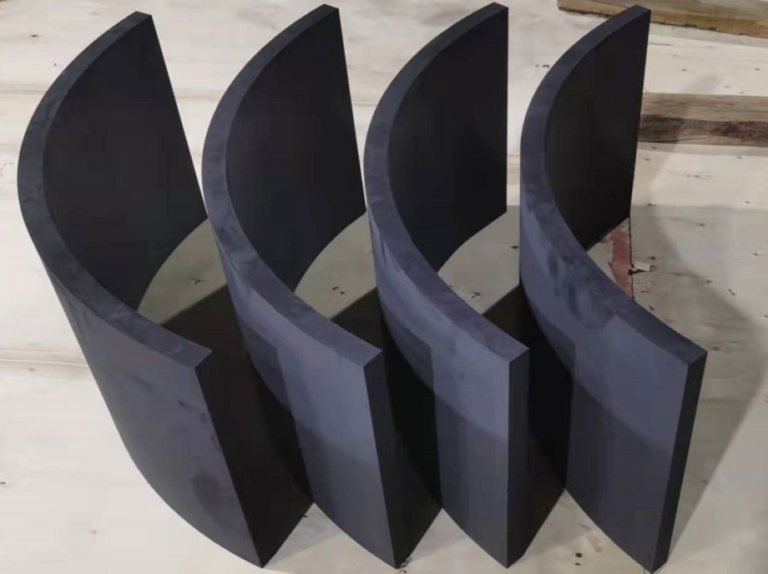
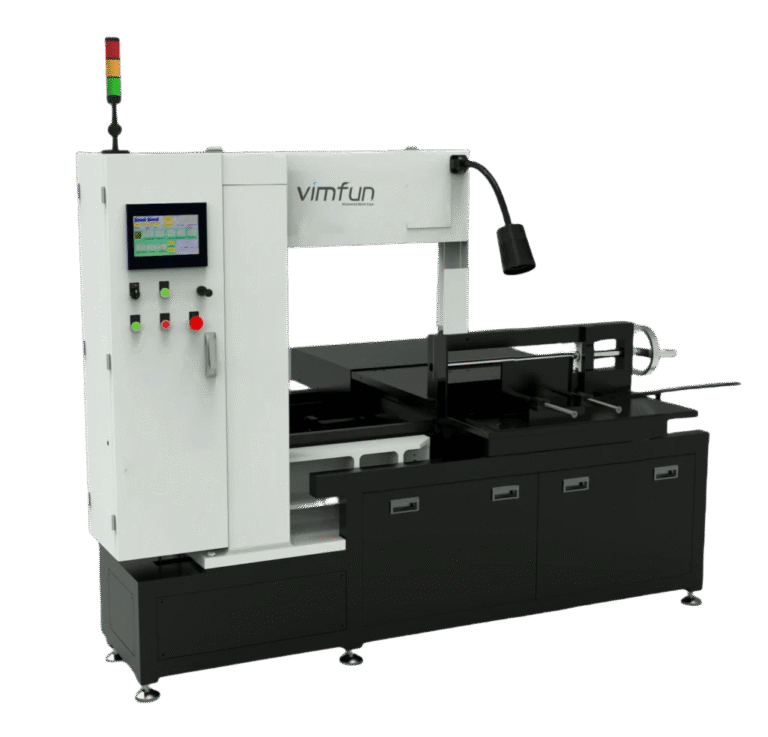
Graphite is widely used in semiconductor manufacturing, EDM electrodes, aerospace components, and high-temperature industrial applications. Despite its popularity, graphite behaves very differently from metals when processed with CNC machining technologies.
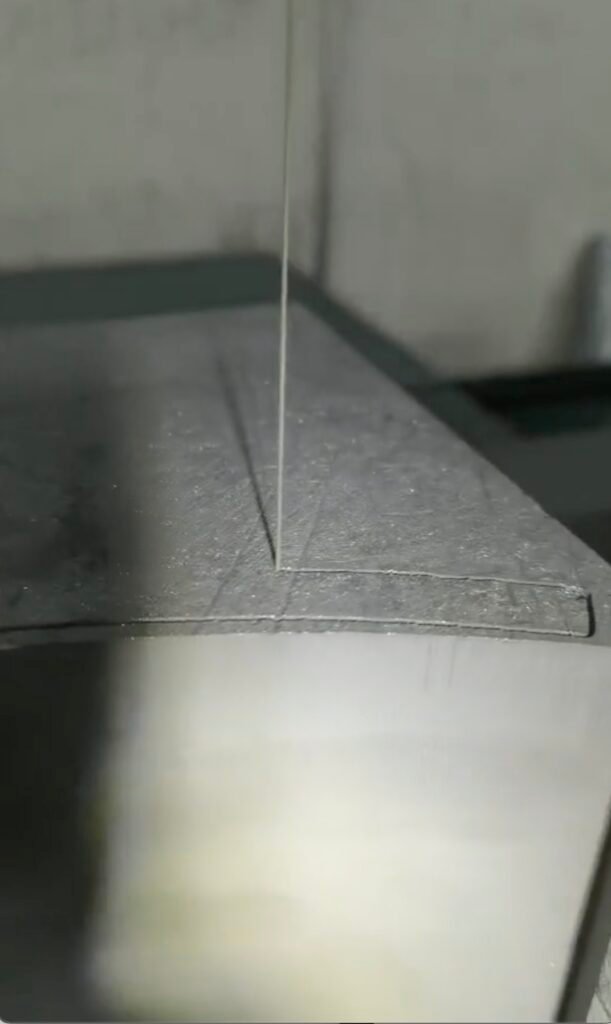
Compréhension limitations d'usinage du graphite is essential for engineers who need to produce high-precision graphite components. While CNC machining offers excellent control over tool paths and complex geometries, the physical properties of graphite introduce challenges that cannot always be solved by upgrading machine tools.
This article explains the main technical reasons behind these limitations and discusses when CNC machining remains a suitable solution.
Graphite Material Properties and Graphite Machining Limitations
The first step in understanding limitations d'usinage du graphite is examining the intrinsic properties of graphite materials.
Graphite is a brittle, anisotropic material composed of layered carbon structures. Unlike metals, which deform plastically under cutting forces, graphite tends to fracture.
Key characteristics include:
- brittle fracture behavior
- layered crystalline structure
- high porosity
- abrasive particle structure
These properties create fundamental difficulties during CNC machining.
When a cutting tool contacts graphite, the material does not produce continuous chips. Instead, it breaks into fine particles and powder. This mechanism generates dust, increases tool wear, and causes unstable cutting conditions.
According to research on brittle material removal mechanisms, graphite machining primarily occurs through micro-fracture rather than plastic deformation.
External reference:
https://www.sciencedirect.com/science/article/abs/pii/S0924013606002202
Because these characteristics are inherent to the material itself, they represent one of the most fundamental limitations d'usinage du graphite.
Tool Wear and Dimensional Drift
Another major factor behind limitations d'usinage du graphite is rapid tool wear.
Graphite particles are highly abrasive. During machining, the powder generated from fractured graphite grains continuously erodes cutting edges.
Typical consequences include:
- gradual tool edge rounding
- reduced cutting efficiency
- increasing dimensional deviation
Over time, this leads to dimensional drift, meaning that part dimensions gradually change as the tool wears down.
Even when using diamond-coated tools, wear still occurs due to the continuous interaction with abrasive graphite dust.
As a result, maintaining tight dimensional tolerances during long machining operations becomes difficult.
Frequent tool replacement and recalibration are often required to control these effects.
Edge Chipping and Hidden Micro-Cracks
One of the less visible limitations d'usinage du graphite is the formation of micro-cracks and edge chipping.
During CNC machining, the cutting tool repeatedly impacts the graphite surface. These impacts create localized stress concentrations that can initiate crack propagation within the material.
Common damage patterns include:
- edge chipping on thin structures
- grain pull-out from the surface
- micro-cracks beneath the machined surface
These defects may not be immediately visible, but they can affect the long-term reliability of graphite components.
For example, micro-cracks may expand during thermal cycling or mechanical loading in industrial applications.
This problem is particularly important for graphite components used in semiconductor manufacturing equipment.
Additional information about semiconductor material processing can be found here:
https://www.semiconductors.org/resources/
Because these cracks originate from the fracture behavior of graphite, they represent another inherent limitations d'usinage du graphite.
Why High-End CNC Machines Cannot Solve All Graphite Machining Limitations
A common assumption in manufacturing is that upgrading to a more advanced CNC machine will solve machining problems. However, many limitations d'usinage du graphite originate from material behavior rather than machine capability.
Even the most advanced CNC systems cannot eliminate:
- brittle fracture mechanisms
- abrasive dust generation
- subsurface crack formation
Higher spindle precision and improved control systems may reduce vibration and improve accuracy, but they cannot change the fundamental interaction between cutting tools and graphite.
For example:
- improving machine rigidity does not prevent graphite particles from fracturing
- higher spindle speeds may even increase dust generation
- better control systems cannot eliminate tool wear
Therefore, some limitations are inherent to the machining mechanism itself rather than the machine tool.
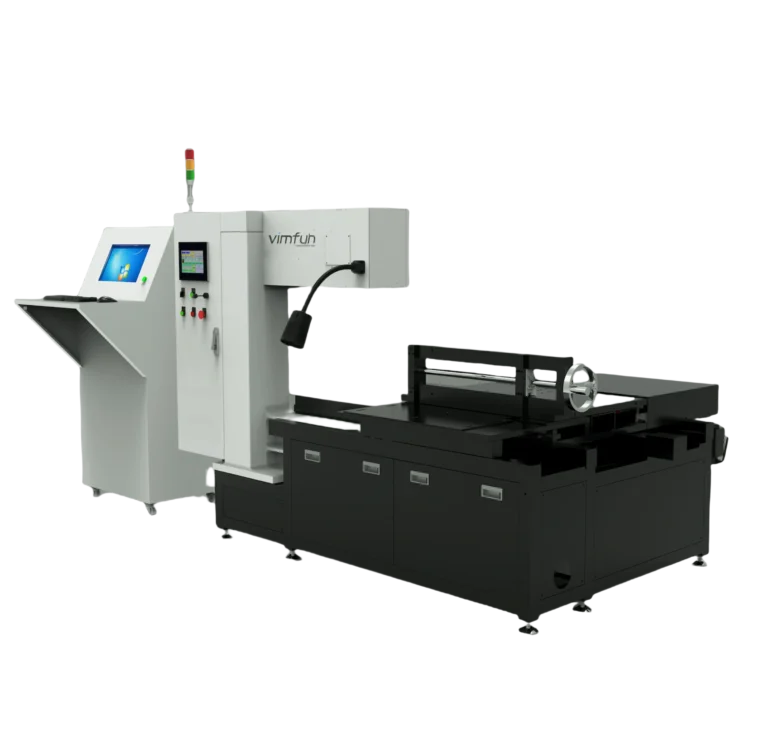
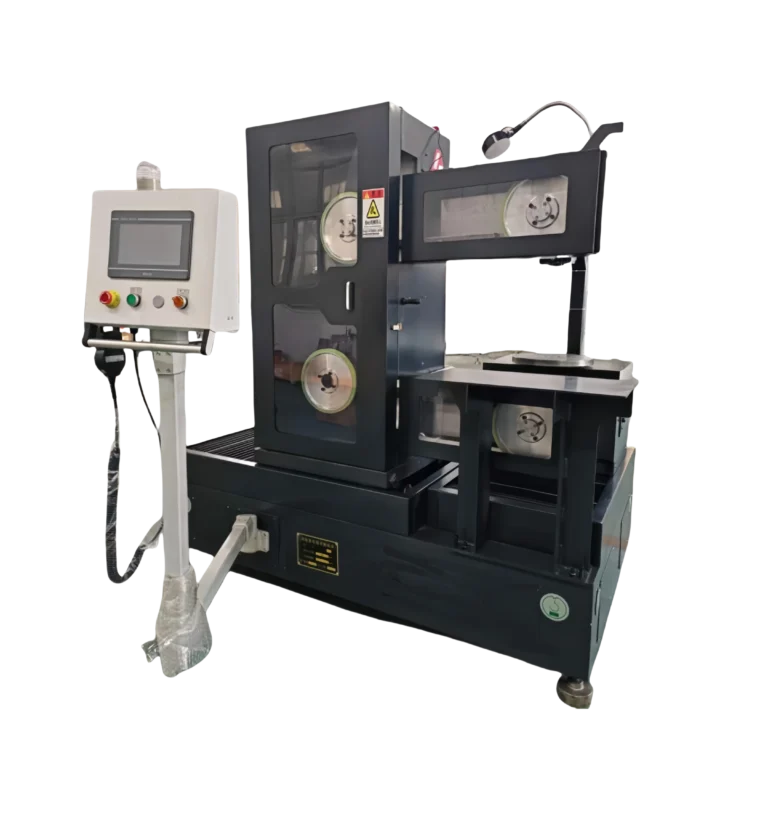
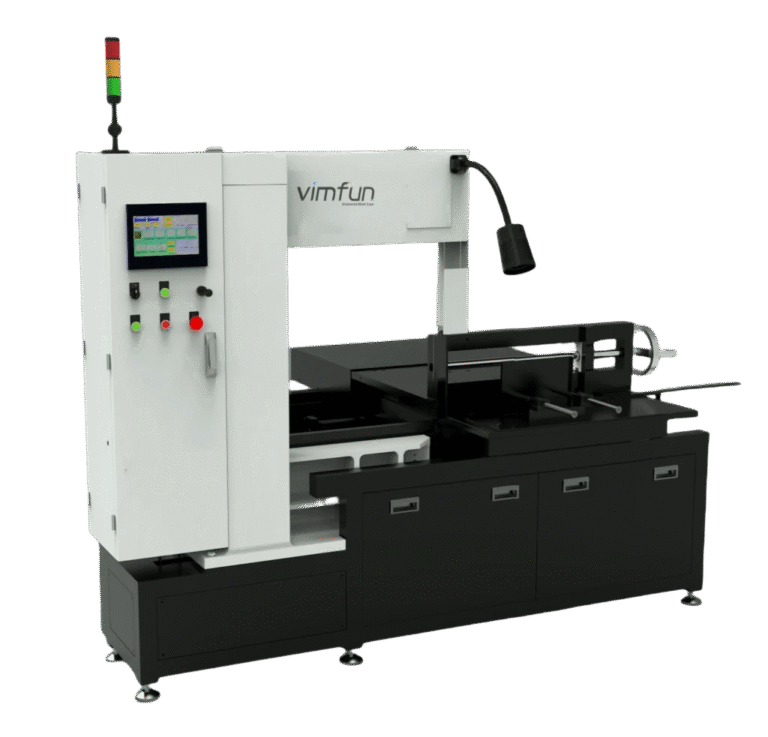
In many production environments, manufacturers combine CNC machining with alternative processes such as wire cutting to improve overall efficiency.
When CNC Machining Still Works Well for Graphite
Although there are many limitations d'usinage du graphite, CNC machining remains essential in several applications.
Complex Geometry Manufacturing
CNC machining is ideal for producing graphite components with complex three-dimensional shapes.
Examples include:
- Électrodes EDM
- mold components
- custom graphite fixtures
These parts often require intricate cavities and contours that cannot be produced by simple cutting processes.
Prototype and Small Batch Production
Machining provides high flexibility and short setup times, making it suitable for small production runs or prototype development.
Finishing Operations
Even when alternative cutting technologies are used to separate graphite blocks, CNC machining is still commonly applied for final finishing.
Typical workflows may include:
- rough cutting of graphite blocks
- CNC machining for detailed features
- surface finishing operations
This hybrid manufacturing approach helps reduce the impact of limitations d'usinage du graphite while maintaining design flexibility.
Conclusion
CNC machining remains an important method for producing graphite components, particularly when complex geometries are required. However, the material properties of graphite introduce several unavoidable challenges.
Major graphite machinihttps://www.graphitecutting.com/sh-60-60-horizontal-graphite-cutting-machine/ng limitations include rapid tool wear, dimensional drift, edge chipping, and the formation of hidden micro-cracks. These issues arise from the brittle fracture behavior and abrasive structure of graphite.
While advanced CNC machines can improve precision and stability, they cannot fully eliminate these limitations because they are rooted in the fundamental material removal mechanism.
For many manufacturers, combining CNC machining with alternative cutting technologies provides the most practical solution for achieving high-quality graphite components.