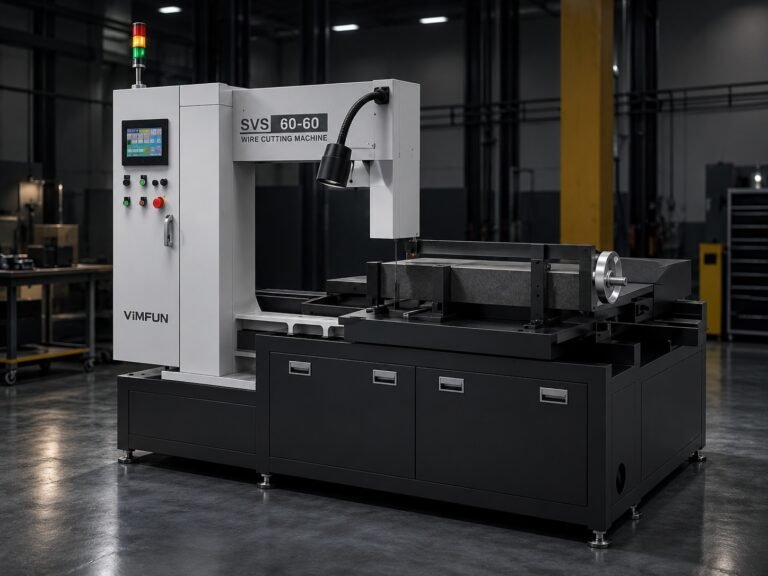
Can a metal-cutting spindle survive a week of graphite work? Or does the dust eat it up in hours? Graphite is not cut like wood or metal. Its dust is coarse, its structure fragile. It needs a different kind of stress spindle. Choosing the wrong CNC machine for graphite often leads to rapid bearing wear, chipped parts and short tool life in shops.
This guide is all about RPM, torque and stability. All three of these factors will determine whether a spindle can do graphite work. It also teaches you how to select a machine that suits your shop needs.
Why Graphite Machining Requires a Different Approach
How Machining Graphite Differs From Metal or Wood
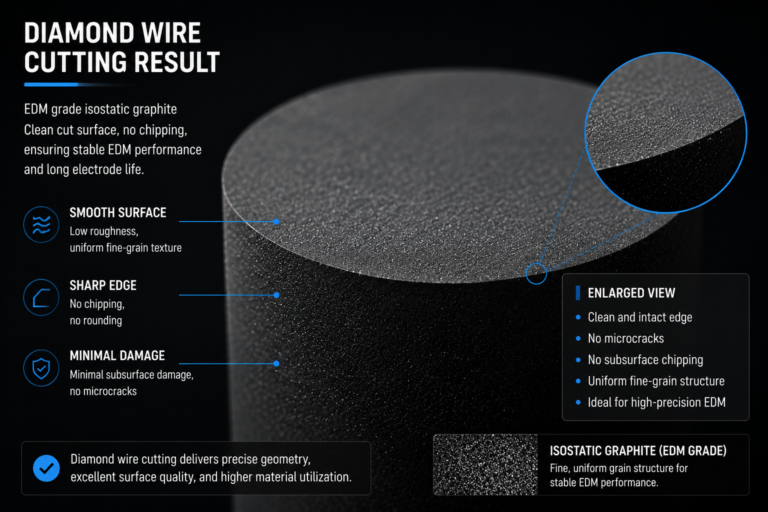
Graphite is brittle, not bendy, so machining it is not like cutting metal or wood with a CNC machine for graphite. A cutting edge bends metal. Instead, graphite breaks into small pieces. Not shavings, not curls, but fine dust. That dust is like a gritty powder. This changes the way the spindle and enclosure need to work.
Why Abrasive Dust Impacts Spindle Wear
If there is rough graphite dust on the spindle, it is going to wear out after a while. It gets on seals, bearings and rails. Short lives are associated with spindles with open bearings or weak dust extraction.
- Dust enters into open bearing housings
- Fine bits mixed with oil make a grinding paste
- Open rails collect dust film, accuracy suffers
- Normal shop vacuums can’t get the little bits
Where Advanced Graphite Machining Is Used Most
The most obvious examples of mecanizado avanzado de grafito are EDM electrode work, mould making, and aerospace parts. Electrode work requires tight tolerances. The shape of the electrode becomes the shape of the mould.
What Spindle Specs Matter Most for a CNC Machine for Graphite?
- RPM Range and Why Higher Isn’t Always Better
Graphite needs the right RPM for the size of the tool and the detail. It’s not a race to see how fast you can go. Fine detail work often runs well in the 12,000-24,000 RPM range. Too fast and the edges burn. Too slow leaves a torn, rough surface.
- Torque Requirements for Dense Graphite Grades
Dense graphite needs steady torque over max speed. High density, fine grain graphite resists the cutting edge more than softer grades.
- Spindle Stability and Vibration Control
The cleanness of the surface of the final product depends on the stability of the spindle. Even a little shake leaves marks on the part. This is because graphite chips do not flex. Good bearings and a stiff housing minimise this shake.
RPM: Finding the Right Speed for Graphite
How RPM Affects Surface Finish on Graphite
RPM affects the cleanliness of each graphite cut. More RPM and the right feed rate will give a smoother finish.
Risks of Running Too Fast or Too Slow
Too fast can burn out bearings fast and ruin tools from heat. If you go too slow, you get a rough finish and more dust. Here are typical problems at either end.
RPM and Feed Rate Problems
| Condition | Common Result | Likely Cause | Fix |
| RPM too high | Chipped edges | Too much heat, tool bends | Lower RPM or feed rate |
| RPM too low | Rough surface | Poor chip cut | Raise RPM slowly |
| Feed too fast | Tool breaks | Too much load on tool | Slow feed, keep RPM steady |
| Feed too slow | Burn marks | Heat from friction | Raise feed a little |
Matching RPM to Electrode and Mold Applications
Electrode work generally requires higher RPMs with light cuts. You can run mould parts at a lower RPM and make deeper, steady passes.
Torque: Why It Matters More Than Raw Speed
How Torque Handles Dense or Fine-Grain Graphite
Torque keeps the edge of the cutter going through the material without stopping. This is particularly important for dense, fine-grain graphite for precision parts.
Torque Drop-Off at High RPM Explained
Torque drop off at high RPM is normal. Most spindle motors sacrifice torque for speed once the RPMs get high enough. Look at the torque curve of a spindle, not just the top RPM, to see if it will work well with graphite.
Balancing Torque and RPM for Consistent Cuts
Torque vs. RPM is a balancing act, spindle power has to match the type of graphite and the size of the tool. Softer graphite will run higher RPM with lower torque. Dense graphite requires steady torque and lower RPM.
Spindle Stability and Its Role in Precision
Why Vibration Control Protects Fine Detail Work
Graphite is more prone to chatter marks than metal so vibration control is important. This is most apparent on electrode tips and mould textures.
Bearing Types That Improve Long-Term Stability
The type of bearing influences the life of the spindle accuracy under a rough abrasive load. Sealed high precision bearings are better dust shields than open. For this reason ceramic hybrid bearings are also frequently used in industrial spindles.
How Dust Containment Design Affects Spindle Life
Good dust containment keeps rough particles off moving parts. A full enclosure with integral extraction provides much better bearing protection than an open frame.
Best CNC Machine for Graphite: What to Look For
Dust Collection and Enclosure Requirements
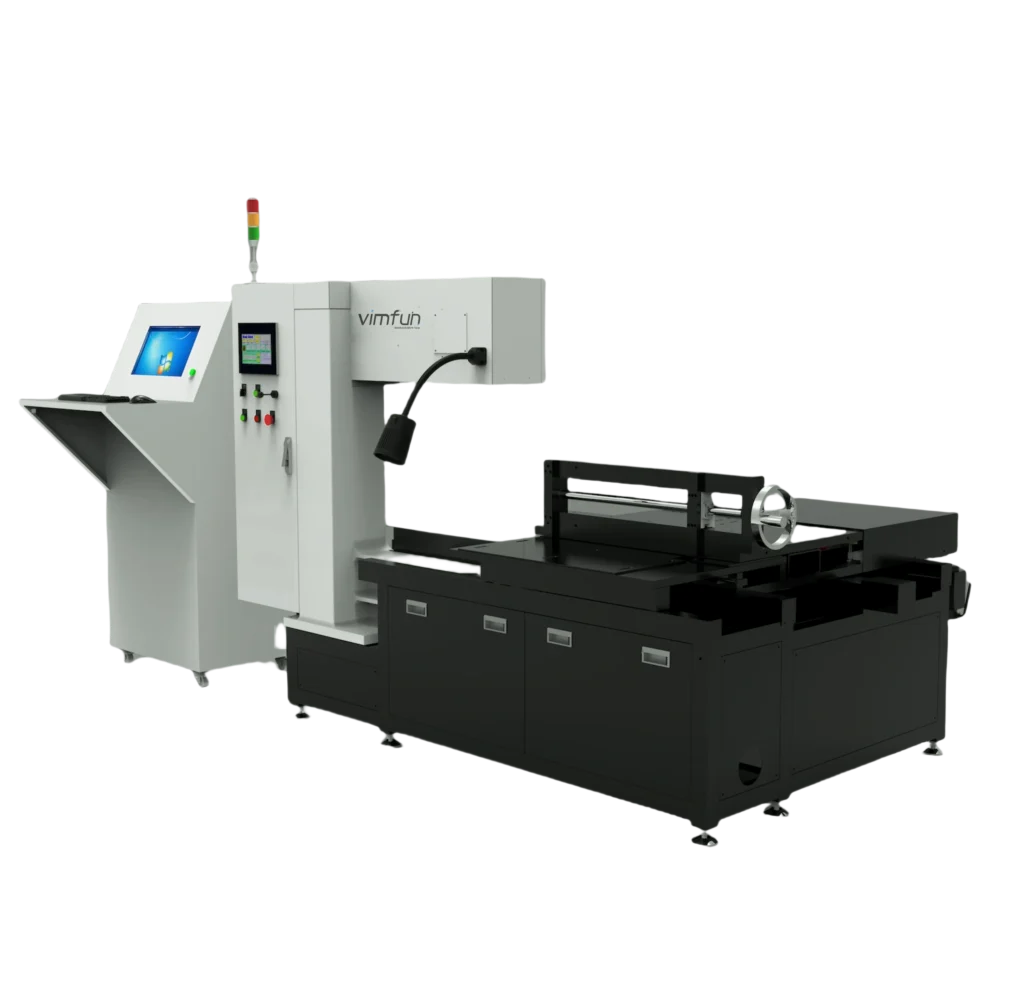
A good graphite machine needs to be built with a sealed enclosure and actual dust extraction. A shop hoover nearby isn’t sufficient. Good containment also protects the operator because graphite dust can irritate the lungs.
Best Graphite Shaping Machine Suppliers to Consider
En best graphite shaping machine suppliers build sealed spindles and tools ready for graphite. They don’t take a general purpose machine and tailor it afterwards. Some warranties exclude graphite from warranty. Ask about warranty conditions on abrasive materials.

Features That Separate Entry-Level From Industrial Machines
- Entry-level machines often have open or semi-open frames.
- Industrial machines use full enclosures with powerful extraction
- Industrial spindles generally have tighter tolerances
- Tool changers and other automation are found mostly on industrial models
Small CNC Machine for Graphite vs Industrial Systems
- Where Benchtop Machines Fit: Use Cases and Limits
A small benchtop machine is a good choice for test electrodes and low volume mould work. It is also suitable for shops with small area of floor. Its restrictions seem to be in dust control and the length of time the spindle can run without a break.
- Industrial Systems for High-Volume Electrode Production
Industrial systems are a combination of automation, large enclosures and powerful spindles. They are more expensive to start, but cheaper per part at scale.
- Choosing Based on Shop Size and Output Needs
Not just price. Part volume, part size and floor space, all come into play on the decision between small and industrial systems.
Machine Class Comparison
| Machine Class | Typical RPM Range | Torque Level | Price Tier | Mejor uso |
| Benchtop / Small | 10,000–18,000 RPM | Light to medium | Lower cost | Test parts, low-volume work |
| Mid-Range | 15,000–24,000 RPM | Medium to strong | Mid cost | Regular electrode and mold shops |
| Industrial | 18,000–30,000+ RPM | Fuerte, constante | Mayor costo | Producción de alto volumen |
¿Qué afecta el precio de la máquina CNC para grafito?
- Costos de calidad del husillo y diseño del cerramiento
Las principales cosas que hacen subir el precio de una máquina son la calidad del husillo y el diseño del cerramiento. Los husillos sellados de alta precisión son más caros de fabricar que los husillos básicos abiertos.
- Automatización y características del cambiador de herramientas
La automatización cuesta más al principio, pero reduce la cantidad de mano de obra por pieza. Las tiendas de alto volumen recuperan este costo más rápido.
- Máquinas nuevas vs. usadas en venta
A Máquina CNC para grafito en venta se puede encontrar nueva de un proveedor o usada de un revendedor de equipos. Las máquinas usadas son más baratas para empezar, pero pueden necesitar una revisión del husillo antes de trabajar con grafito.
Preguntas frecuentes
¿Cuál es el mejor RPM para mecanizar grafito?
El RPM óptimo para cortar grafito se encuentra generalmente en el rango de 12.000 a 24.000 RPM. Depende del tamaño de la herramienta y del nivel de detalle.
- Trabajo de detalle fino: cortes ligeros, RPM más altos
- Pasadas de desbaste: RPM lentos, cortes profundos
- Siempre consulte primero la guía del fabricante de la herramienta.
¿Necesita recolección de polvo especial para mecanizar grafito?
Sí, el mecanizado de grafito requiere una recolección de polvo especial. La mayoría de las aspiradoras de taller no están diseñadas para recoger las partículas de polvo más pequeñas y abrasivas.
- El fino polvo de grafito puede irritar los pulmones.
- Los filtros normales se obstruyen rápidamente con el polvo de grafito
- Los cerramientos de presión negativa son los más efectivos
¿Cuál es el precio de la máquina CNC para grafito?
El precio depende de la clase del husillo, el diseño de la carcasa y el grado de automatización de la máquina. Las pequeñas unidades de sobremesa se encuentran en el extremo inferior. En el extremo superior se encuentran los sistemas industriales completos.
¿Puede una máquina CNC pequeña manejar trabajos de electrodos de grafito?
Sí, una máquina CNC pequeña puede realizar trabajos de electrodos de grafito para pruebas y tiradas de bajo volumen. Sus límites se encuentran en el control de polvo, no en la precisión de la pieza.
¿Cuál es el rango de torque para grados de grafito denso?
Se necesita un torque constante en el rango de RPM medio para el grafito denso. No hay un número fijo, ya que depende del tamaño de la herramienta y la profundidad del corte.
¿Diferencia entre máquinas de grafito de nivel de entrada e industriales?
Las principales diferencias radican en el diseño del cerramiento, la clase del husillo y el nivel de automatización incorporada. Las máquinas industriales realizan más volumen con menos trabajo manual.
Conclusión
Para la máquina CNC para grafito, el RPM, el torque y la estabilidad del husillo deben funcionar juntos. Si se enfoca en solo uno, corre el riesgo de un mal acabado o un desgaste prematuro del husillo. Los talleres que planifican el control de polvo, verifican las curvas de torque y eligen la clase de máquina adecuada obtienen resultados consistentes a lo largo del tiempo.
Si los talleres comparan opciones, Vimfun vale la pena echarle un vistazo. Esto es para compradores que desean especificaciones de husillo y cerramiento diseñadas para el polvo áspero del grafito, no una máquina para trabajar metales que se adaptó posteriormente.