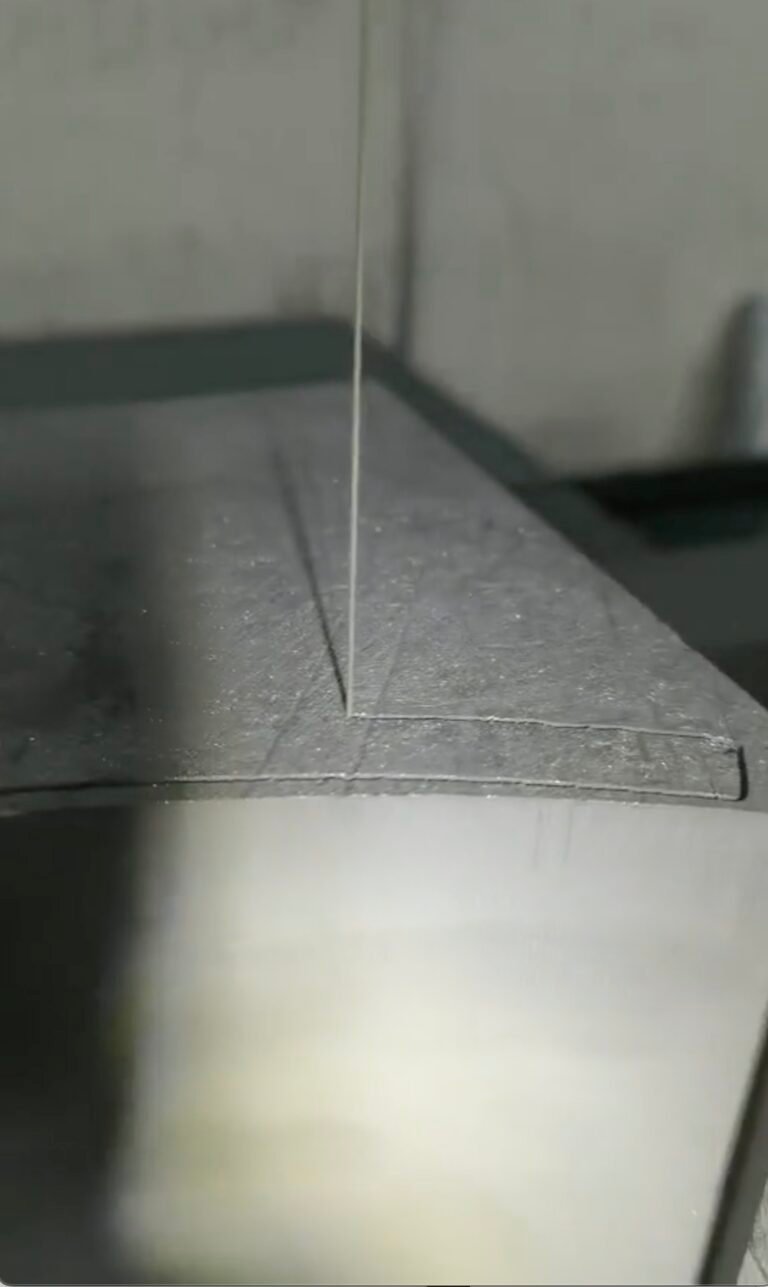
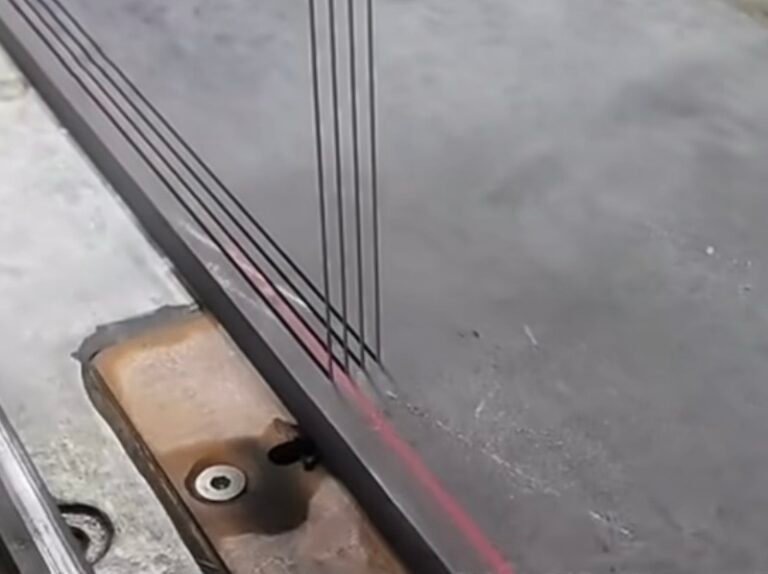
Graphite is widely used in semiconductor manufacturing, EDM electrodes, aerospace components, and high-temperature industrial systems. Its combination of thermal stability, electrical conductivity, and machinability makes it an important engineering material. However, machining graphite presents unique challenges due to its brittle microstructure. One of the most significant issues engineers encounter is hư hỏng bề mặt gia công than chì, which can affect dimensional accuracy, surface integrity, and downstream processing.
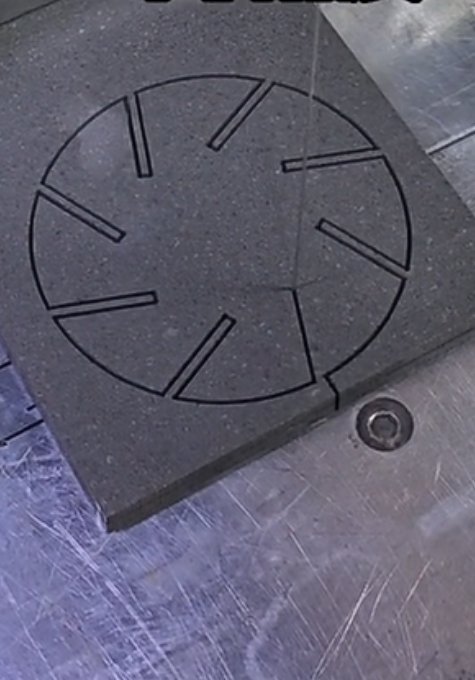
Unlike ductile metals, graphite does not deform plastically during cutting. Instead, it fractures along microstructural boundaries. As a result, surface damage often appears in the form of micro-cracks, edge chipping, and particle pull-out. These defects may not always be visible during machining but can significantly influence component performance and manufacturing yield.
Understanding the mechanisms behind surface damage is therefore critical for selecting appropriate cutting technologies and optimizing machining parameters.
Material Characteristics of Graphite and Their Influence on Machining
Graphite is classified as a brittle material composed of layered carbon structures with relatively weak interlayer bonding. During machining, this structure tends to fracture instead of deform. As a consequence, surface defects often originate from crack propagation rather than smooth material removal.
The severity of hư hỏng bề mặt gia công than chì is influenced by several intrinsic properties of the material:
- Grain size of the graphite block
- Porosity and density variations
- Bonding strength between particles
- Orientation of graphite layers
Fine-grain graphite typically produces smoother surfaces during machining, while coarse-grain graphite is more susceptible to chipping and edge breakage. When machining conditions generate excessive mechanical stress, micro-fractures can propagate beyond the intended cutting zone.
Because of these characteristics, controlling cutting forces becomes one of the most important engineering considerations in graphite processing.
For a broader overview of graphite material properties used in industry, engineers often reference the material resources provided by the
Graphite Materials Guide – SEMI.
Mechanisms of Surface Damage in Graphite Machining
Micro-Crack Formation
The most common form of gia công than chì surface damage is the formation of micro-cracks beneath the machined surface. These cracks originate when cutting forces exceed the fracture strength of the graphite matrix.
Instead of producing continuous chips, the material fractures in small fragments. When these fractures propagate downward into the workpiece, they create subsurface damage that may later cause:
- reduced mechanical strength
- premature component failure
- dimensional instability during subsequent processes
Subsurface cracking is particularly problematic for components used in semiconductor or optical applications where surface integrity directly affects product performance.
Another common surface defect in graphite machining is edge chipping. This occurs when unsupported graphite grains break away near edges or thin sections.
Edge chipping becomes more severe when:
- cutting forces fluctuate significantly
- tools have worn edges
- feed rates are excessive
Particle pull-out is also common in porous graphite materials. During machining, entire grains may detach from the surface, leaving pits that degrade surface quality and increase roughness.
These defects contribute significantly to hư hỏng bề mặt gia công than chì, especially when machining complex geometries or thin structures.
Influence of Machining Parameters on Surface Integrity
Several machining parameters strongly affect the extent of surface damage in graphite.
Cutting Force
Higher cutting forces increase the likelihood of brittle fracture. Conventional milling operations often produce localized stress concentrations at the cutting edge, which promotes crack formation.
Reducing cutting force through optimized tool geometry or alternative cutting methods can significantly improve surface quality.
Feed Rate and Cutting Speed
Feed rate controls the amount of material removed per tool engagement. Excessive feed rates produce larger chips and higher stress levels, increasing the probability of crack propagation.
Higher cutting speeds, on the other hand, may reduce cutting forces but can accelerate tool wear, which eventually contributes to unstable cutting conditions.
Tool Condition
Tool wear plays an important role in surface quality. Worn cutting edges generate higher friction and irregular cutting forces. As a result, surface damage increases significantly when tools approach the end of their service life.
For this reason, many production environments implement tool monitoring systems to maintain consistent machining conditions.
A useful reference for surface roughness and measurement standards in machining can be found in the
ISO 4287 Surface Texture Standard.
Why Kerf Control Matters for Surface Quality
Kerf width is typically associated with material loss, but it also plays an important role in surface integrity. Narrower kerf widths generally correspond to lower cutting forces and reduced mechanical stress on the material.
In precision cutting technologies such as endless diamond wire cutting machines, the kerf width is approximately 0.4 mm, which is significantly smaller than that produced by many traditional sawing methods. The cutting process relies on a continuously moving diamond wire operating at speeds up to 80 m/s with wire tension typically between 150 and 250 N.
Because the cutting action is distributed along a continuous abrasive wire, stress concentrations are lower than in conventional tool engagement. As a result, the level of hư hỏng bề mặt gia công than chì can be significantly reduced.
Lower cutting stress also improves surface smoothness and reduces the risk of micro-crack formation. These characteristics make wire-based cutting methods particularly suitable for brittle materials.
Comparison with Traditional Graphite Machining Methods
Different machining technologies produce different levels of surface damage when processing graphite.
| Phương pháp cắt | Surface Damage Risk | Chiều rộng Kerf | Surface Quality |
|---|---|---|---|
| CNC Milling | Cao | Tool dependent | Vừa phải |
| Saw Blade Cutting | Vừa phải | Lớn | Vừa phải |
| Waterjet Cutting | Vừa phải | Lớn | Rough |
| Cắt dây kim cương | Thấp | ~0,4 mm | Trơn tru |
Traditional machining methods rely on concentrated cutting edges that generate higher localized stress. In contrast, abrasive wire cutting distributes the cutting load along the wire length, which helps minimize fracture propagation.
When processing high-value graphite components, reducing surface damage often becomes more important than maximizing cutting speed.
Industrial Applications Where Surface Damage Matters
Surface integrity is critical in several industries that rely on graphite components.
Sản xuất chất bán dẫn
Graphite fixtures and components used in semiconductor processing must maintain strict dimensional accuracy and surface stability. Surface defects may lead to contamination or mechanical failure during high-temperature processes.
EDM Electrode Production
Graphite electrodes used in electrical discharge machining require consistent surface quality to maintain stable electrical discharge characteristics. Surface damage can alter electrode wear behavior.
High-Temperature Structural Components
Graphite components used in furnaces or aerospace systems must resist thermal stress. Micro-cracks caused by machining can propagate during thermal cycling, reducing component lifespan.
Because of these demanding conditions, minimizing hư hỏng bề mặt gia công than chì is an important objective for manufacturing engineers.
Engineering Approaches to Reduce Surface Damage
Several practical strategies can reduce surface defects when machining graphite.
First, selecting cutting processes that apply lower mechanical stress can significantly improve surface integrity. Processes with distributed cutting forces, such as diamond wire cutting, reduce crack propagation.
Second, optimizing machining parameters such as feed rate, cutting speed, and tool geometry helps minimize fracture initiation.
Third, using finer-grain graphite materials often results in smoother surfaces and improved machining stability.
Finally, maintaining consistent tool condition and monitoring cutting performance prevents unstable cutting forces that lead to surface defects.
Phần kết luận
Surface integrity plays a critical role in graphite component performance. Graphite machining surface damage is primarily caused by brittle fracture mechanisms such as micro-crack formation, edge chipping, and particle pull-out. These defects are influenced by material structure, machining parameters, and cutting technology.
Reducing cutting stress, controlling kerf width, and selecting suitable machining processes are key strategies for minimizing damage. Precision cutting technologies such as endless diamond wire cutting machines provide advantages for brittle materials by producing lower cutting forces, narrower kerf widths, and smoother surfaces.
For engineers working with high-value graphite components, understanding these mechanisms allows better process selection, improved product quality, and more efficient use of materials.