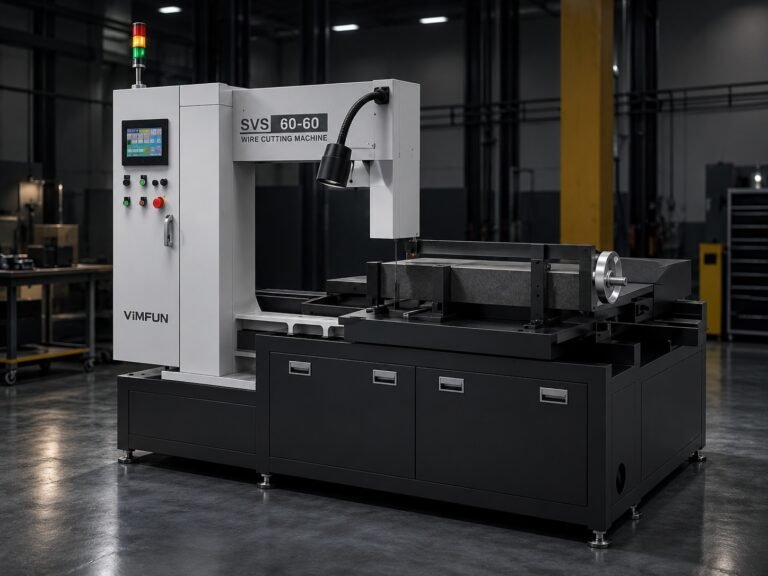
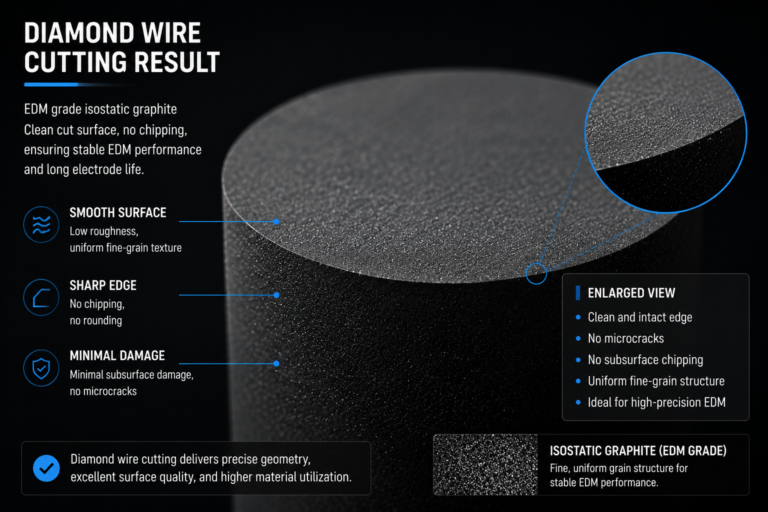
Most cutting machine accidents don’t happen during the cut. These occur when material slides unexpectedly while loading or setting. Vertical cutting machines improve material handling safety, one of three key benefits. Fixture systems secure material while cutting. Second, support structures prevent weight-driven sliding or falling. Third, the control systems adjust cutting speed and machine stoppage based on material and worker locations.
This article examines these three sections’ functions. It also handles changing fabric, sheet metal, and CNC machine safety needs. It also includes machine purchase considerations.
What Is a Vertical Cutting Machine?
If the blade, knife or wheel moves up and down the machine is called a vertical cutting machine. For use on fabric, sheet metal and other materials. The range is from small benchtop vertical cutters to large machines for nonstop production.
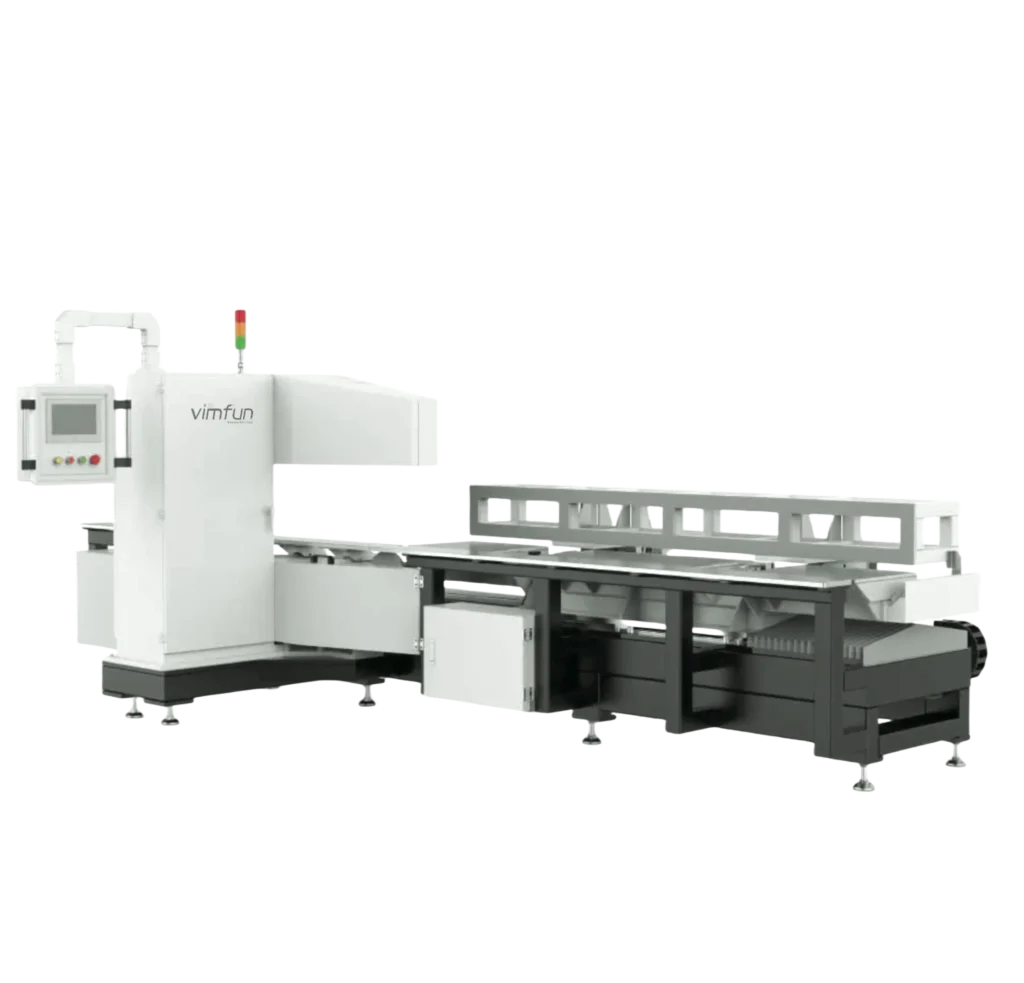
Where This Equipment Category Fits
- Vertical machines cut differently than on the side or at an angle
- They are used in many fields, such as textile work, metalwork and general material handling.
- Safety requirements vary for different materials– soft goods need different care than hard sheet stock
| Merkmal | Typical Detail |
| Cutting axis | Vertical (blade or wheel moves up and down) |
| Common materials | Fabric, sheet metal, foam, composites |
| Typical scale | Benchtop to large industrial lines |
| Core safety parts | Fixture, support, control systems |
Vertical Saw vs Vertical Knife vs Vertical Sheet Metal Cutters
These three names are for different kinds of blades. A vertical saw cutting machine uses a blade that either rotates or oscillates. Knife-cutting machine, vertical: a fixed, straight blade, generally for use on fabric. A cutter is made of vertical sheet metal for hard heavy metal. The safety needs are specific to each type.
How Do Vertical Cutting Machines Improve Material Handling Safety?
Vertical cutting machines enhance material-handling safety in three important ways. Fixture systems hold material in place for the cut. Support structures prevent the material from sliding or falling under its own weight. The control system will vary the cutting speed and stop the machine depending on the positions of the material and the worker.

- Fixture- Keeping Material From Shifting Mid-Cut
Fixture systems hold the material in place before and during the cut. Clamps, vacuum tables and other tools do this job. Material can get into the blade without a good fixture. This might even pull the hand of a worker.
- Support- Managing Material Weight and Position
The material is supported by support structures. This includes tables, rolls and guided feeds. This is most important with heavy stocks. Heavy material can tip or sag without support.
- Control- Regulating the Cutting Process Itself
Control systems add another layer of safety while the machine is running. These include speed limits, position sensors and instant stop buttons. Fixtures & support can’t fix every problem on their own. That gap is filled by control systems.
Do Safety Needs Change by Material Type?
Not all materials react the same way to a blade. The risk depends on the type of material. Here’s what each main type requires for safe design.
- Vertical Fabric Cutting Machine Safety
Die vertical fabric cutting machine works on soft stacked material. This type of material shifts and bunches more than hard stock. Tools that clamp fabric need to hold it firmly, but without causing harm. That is other work than to grasp metal.
- Vertical Sheet Metal Cutter Safety
A vertical sheet metal cutter has to contend with hard, heavy, often sharp material. Loading the metal can be dangerous due to the sharp edges. Metal is heavier and stiffer than cloth. These machines need better support and a firmer hold.
- Vertical Knife Cutting Machine Safety
A vertical knife cutter uses a single stationary edge of a blade, rather than a spinning wheel or a saw in motion. The blade does not retract between cuts so fingers can get too close in feeding. This design has to protect against that risk with covers and feed controls.
What Role Does Automation Play in Cutting Safety?
CNC and automatic systems add a layer of safety. They decrease how often a person is forced to stand near the blade. It is most useful for high volume or fast cutting jobs.
- A CNC vertical cutting machine, which cuts without a human guiding it by hand, keeps the worker further from the blade
- The automatic vertical cutter feed system automatically moves material, decreasing manual handling mid-cut
- Pre-set stop settings respond to sensors faster than a human being can
Why Do Faster and More Precise Cutters Need Extra Safeguards?
More safety measures are required for cutting machines that are faster or more precise. Both tighter accuracy and higher speeds increase risk if something fails.
- A high speed vertical cutter requires a stronger grip on material as small mistakes quickly become big problems at high speed
- The high-precision vertical cutter requires more precise positioning control and more stringent safety locks.
- Both often require better sensors than typical machines.
Benchtop vs Industrial vs Heavy Duty Vertical Cutting Equipment
Machine size dictates what safety features it needs. The risks are not the same for a small benchtop machine, and a heavy-duty industrial vertical cutter. So they also have different support and fixture requirements.
Comparing Fixture, Support, and Control by Scale
| Equipment Tier | Fixture Complexity | Support System Scale | Control Sophistication | Best-Fit Application |
| Benchtop vertical cutter | Basic clamp or hold-down | Small, fixed table | Manual with basic guards | Low-volume, small stock |
| Industrial vertical cutter | Adjustable, stronger clamps | Adjustable, multi-size tables | Safety locks, speed control | Regular production runs |
| Heavy duty vertical cutting machine | Strong, multi-point fixture | Reinforced, large-format support | Sensor-based locks, auto stop | Nonstop, high-volume production |
Safety features usually correspond to the size of the material and the cut force. And that matters more than the cost or how automatic the machine is. A well built benchtop machine can still be very safe for its size.
What Should You Verify Before Buying?
When shopping for commercial vertical cutting equipment, check the safety facts. Don’t believe the sales pitch.
- Make sure the fixture can support the weight and type of material you use
- Ask if the support tools adjust to the sizes of materials you work with
- Safety locks must be documented, not just described in general terms
- Require the machine to be certified to safety regulations such as OSHA machine guarding regulations or ANSI standards for cutting equipment
What Mistakes Undermine Cutting Machine Safety Over Time?
Even the best made machine can become unsafe if not cared for. Some common mistakes keep getting repeated over and over.
- We skip fixture checks so clamps slowly lose their grip.
- Turn off safety locks to save time
- Loading material larger than the machine is rated for.
- Waiting to verify sensors after a close call
Häufig gestellte Fragen
- What safety benefits do these machines have over manual cutting techniques?
This type of machine uses fixtures, supports and safety locks to keep hands away from the blade. Manual cutting is more dangerous as a person has to hold the material close to an open edge.
- Are CNC vertical cutting machines safer than manual ones?
Yes. CNC machines keep the worker’s hands farther away from the blade when it is cutting. And they can respond to sensors faster than a human.
- Why do high speed vertical cutters require stronger fixture systems?
Small handling mistakes become problems much more quickly at higher speeds. So the fixture needs more grip to keep the material secure and still.
- What should I look for in the safety design of a vertical cutting machine?
Ensure the fixture is suitable for the size and weight of your material. Supports should be adjustable to accommodate the range of sizes you use. Ask for written proof of safety locks and adherence to rules.
- How often are fixtures and support systems inspected?
Inspect fixture and support systems on a regular basis according to the frequency of use. Don’t wait for a problem to appear. Small benchtop machines are less commonly used than industrial and heavy-duty machines and thus need to be checked more frequently.
Abschluss
Material handling safety is a combination of three things: the fixture, the support and the control. The correct combination depends on your material, your cutting speed and the accuracy you require. There is not one setup for all jobs.
If you are seeking vertical cutting machines for metal, or CNC work, Vimfun is a good place to begin, with fixture and support options designed to meet these particular safety requirements.