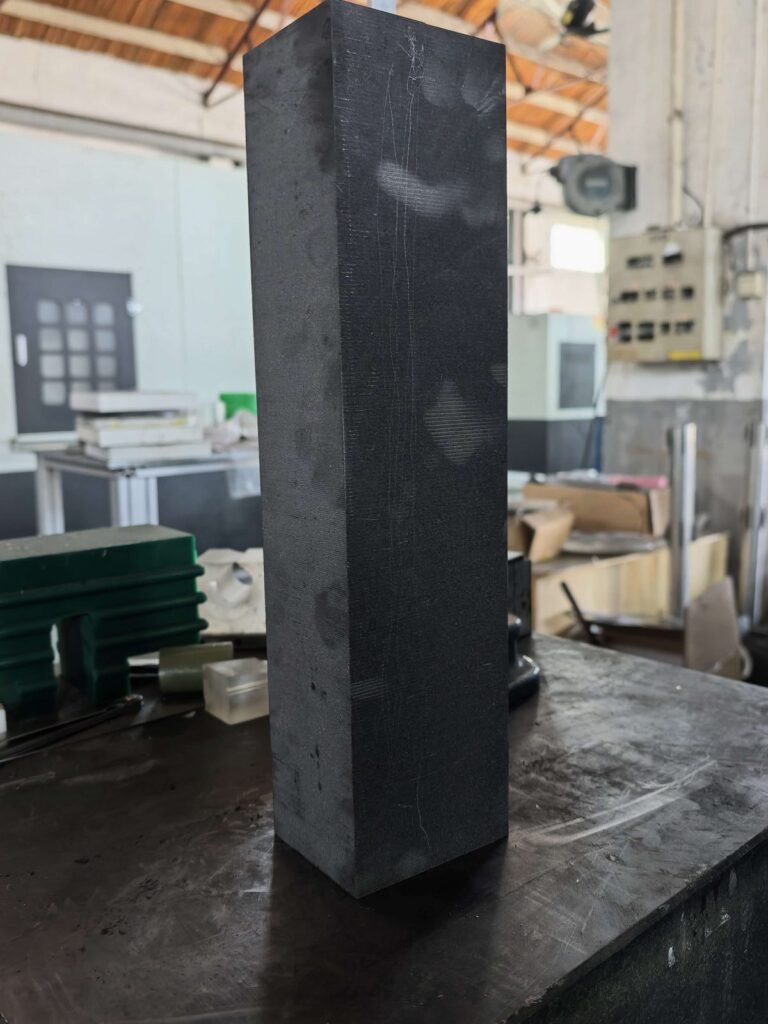
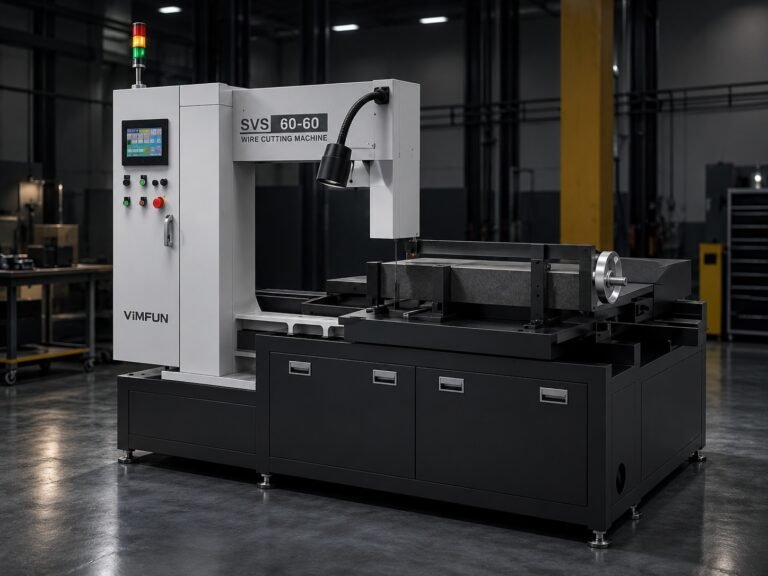
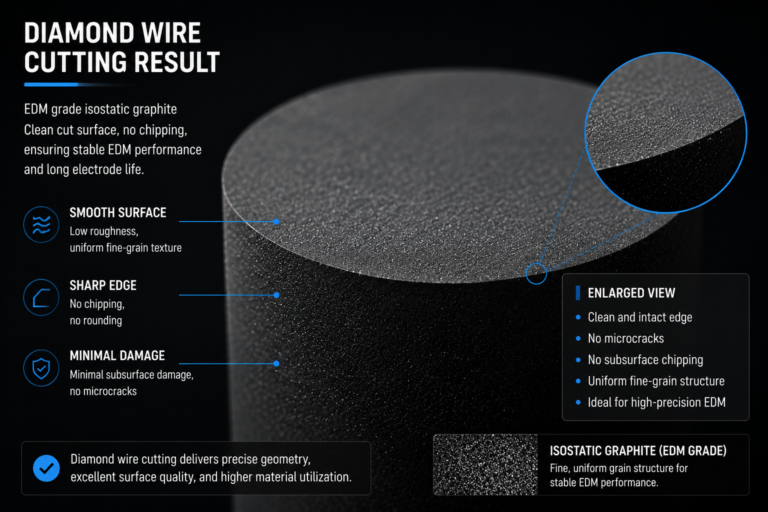
How does a raw germanium crystal become a thin wafer for infrared devices? I have been engaged in precision semiconductor material cutting for over 12 years. The answer is easy – it all relies on how well you care for your cutting machine. That care begins with your germanium ingot cutting wire saw.
In this article I will go over how to test for wire wear, check rollers, and clean the coolant tank. Follow these methods and your germanium ingot cutting wire saw will be in great condition.
What Is a Germanium Ingot Cutting Wire Saw?
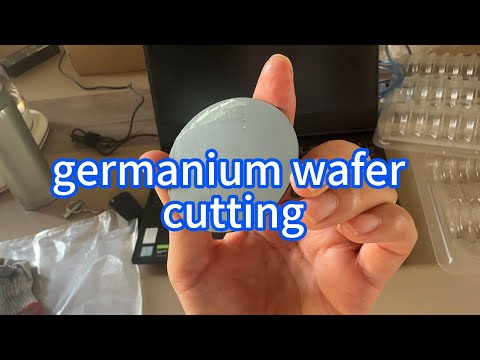
Germanium is sliced into very thin wafers using a germanium ingot cutting wire saw. It cuts the material using a diamond-coated wire, and generates very little waste. This is the slicing method for the germanium ingot cutting wire saw. It is utilized in infrared optics, solar cells and night-vision equipment.
While cutting, a cooling fluid is running to remove heat and scrap. The modern machine uses a closed loop wire saw system to monitor tension and wire wear. If not properly maintained, the machine creates fractured wafers, wasting expensive material.
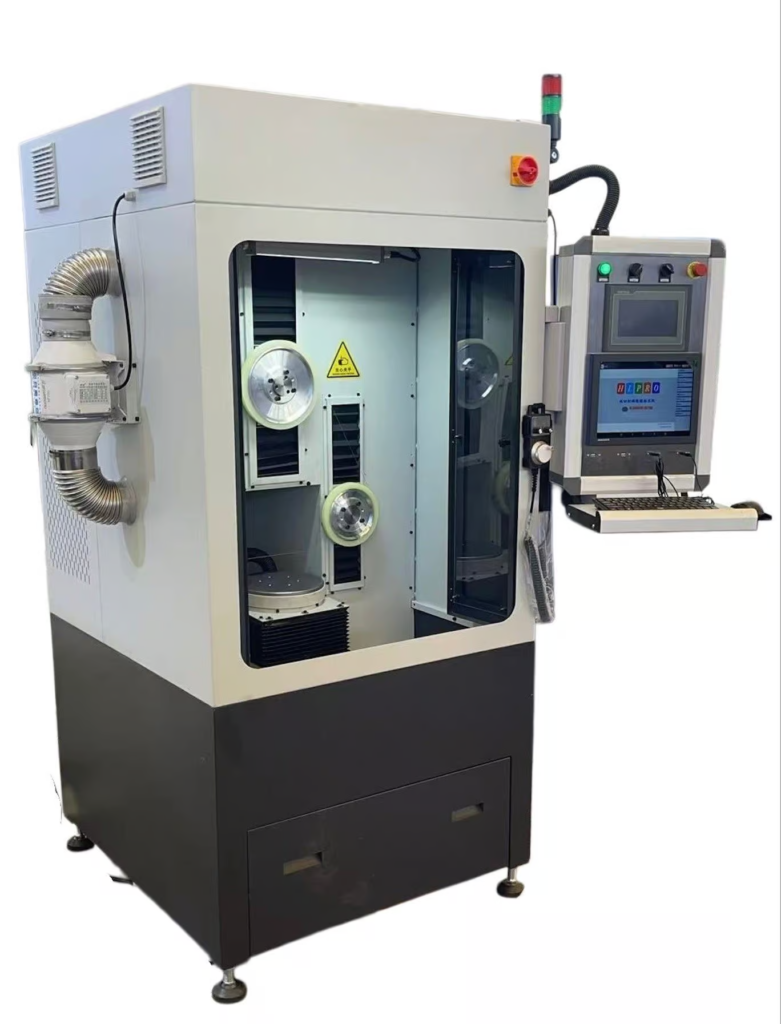
Key Technical Features of a Germanium Ingot Cutting Wire Saw
| Fonctionnalité | Description | Importance |
| Type de fil | Diamond-coated or abrasive slurry wire | Sets cut quality and kerf loss |
| Wire Tension Control | Closed-loop feedback system | Stops wire from breaking |
| Roller Material | Polyurethane or resin-grooved rollers | Guides wire spacing and angle |
| Système de refroidissement | Recirculating tank with filtration | Controls heat and removes debris |
| Mode de coupe | CNC-controlled feed and speed | Gives repeatable, precise cuts |
| Wafer Thickness Range | 100 µm to 2 mm | Supports ultra-thin wafer production |
How Does Wire Wear Affect Your Cut Quality in Diamond Wire Cutting Technology?
The number one cause of unsatisfactory cuts in technologie de coupe au fil diamanté is wire wear. The diamond coating on the wire wears away over time. It’s dulled. This slows down cuts. And produces more heat More heat = More kerf loss. Also, a worn wire might break in the middle of a cut.
This may harm both the rollers and the ingot. Wire health is highly critical in low kerf loss cutting machines. Just check the wire before and after every run . In the long run it saves a lot of time and material. In good time change the wire, and your output will be high. Your germanium ingot cutting wire saw works best when clean.
How to Inspect Wire Wear Step by Step
Wire inspections are simple. Here’s what you do:
- Check wire diameter with a micrometer. Take it three times. If the size is reduced by more than 10% of the original, replace the wire.
- Look at the diamond covering using a loupe or microscope. Look for bald regions or flat surfaces. They lessen the cutting force.
- Watch the feedrate while you are cutting. If the same work takes longer now than it did, chances are the wire is worn.
- Record hours used on each spool. Most manufacturers recommend changing the wire after 60-120 hours of operation.
Wire Wear Monitoring
| Inspection Point | Normal Condition | Warning Sign | Action Required |
| Diamètre du fil | Within 5% of original | 5–10% reduction | Monitor closely |
| Diamond coating | Evenly coated | Bald spots visible | Replace right away |
| Cut speed | Stable | Slowing by 15%+ | Check wire and tension |
| Wire breakage rate | Zero per 10 runs | 1+ breaks per 5 runs | Replace wire spool |
Key Signs You Need to Replace the Wire Now
- Snipping produces screaming or chattering noises
- You can see the grooves, the kinks, in the wire.
- Wafer surfaces are becoming rougher
- The completed wafers are bending or warping more than they did
What Is the Right Way to Inspect and Maintain Rollers in a CNC Wire Saw for Semiconductors?
Rollers are an important feature of any semiconductor CNC wire saw. They hold the wire. It cuts and they hold it in the appropriate place. When the roller wears out, the wire moves. Uneven cuts = shift of wire. It may potentially break the wire. Roller troubles are often missed. By the time you detect the damage the wafers are already crumbling.
The grooves on the roller have to be just right for the wire. Grooves develop wider as time passes. The cable begins to shake. In brittle material precision cutting, a wafer may break due to a minor 5-micron change. Protection of production doesn’t cost the earth – just check the rollers regularly. Good care keeps your germanium ingot cutting wire saw precise.
Roller Inspection Checklist
Check these every 200 hours of cutting. Also check after wire break event:
- Use a groove gauge to measure the groove depth and breadth. If grooves are more than 20% wider than spec, replace or re-groove roller.
- Check the roller alignment using a dial indication Any runout more than 2 microns may pull the wire off track.
- Check roller surface for fractures, chips or embedded wire pieces. Even a little amount might harm the wiring.
- Hand-spin the roller to inspect the bearing. It should turn smoothly. There must be no play or wobbling.
Roller Condition Comparison
| Roller Condition | Qualité de coupe | Wafer Yield | Risk Level | Action |
| New / like new | Excellent | 95%+ | Très faible | Keep running |
| Light wear (grooves 10% wider) | Good | 88–94% | Faible | Watch closely |
| Moderate wear (grooves 15% wider) | Fair | 75–87% | Moyen | Plan replacement |
| Heavy wear (grooves 20%+ wider) | Pauvre | Below 75% | Haut | Replace now |
Roller wear directly affects wafer yield. Change rollers early. Don’t wait for a wire to break. “Fixing it early saves more money than fixing it late.
Advantages and Disadvantages of Roller Re-Grooving vs. Full Replacement
Re-Grooving:
- Less than a whole replacement cost
- Easier to accomplish, particularly in-house
- Works only when the roller has no fractures or core damage.
- Re-grooved rollers may not have the same lifespan as new ones
Full Replacement:
- Provides new-like accuracy and surface quality
- New bearings are supplied with the OEM parts
- Higher initial cost
- Takes longer if parts need to be ordered
How Should You Clean the Coolant Tank to Protect Your Germanium Wafer Manufacturing Process?
A filthy coolant tank is a serious challenge in the production of germanium wafers. The wire cuts and the coolant fluid flushes away the particles. That trash builds up in the tank over time. If you don’t clean it, the old debris will be pushed back to the cutting zone. It scrapes the surface of the wafer. Even the smallest scratches will lead wafers to fail quality checks in infrared optics material processing production.
A filthy tank also causes germs to develop in water-based coolants. This breaks down the liquid. It makes awful odors, too. The tank is emptied out so the fluid is fresh. It also protects the pump, filters and nozzles from premature wear. A worn wire ruins your germanium ingot cutting wire saw output.
Step-by-Step Tank Cleaning Process
Clean the tank every 4 to 8 weeks. Follow this process:
- First drain all the old coolant. Get rid of it correctly. In many locations, germanium waste fluid is considered dangerous.
- Remove filters and inspect them. Replace any that are torn or clogged. Always have extra filters on hand.
- Clean the interior of the tank with a mild cleanser and a gentle brush. Scrape all the gunk and crud from the walls and bottom.
- Rinse the tank with fresh water. Keep rinsing until the water flows clean.
- Fill with new coolant mixed to the correct ratio. Use the kind of coolant advised by your machine manufacturer for maximum precision ingot slicing.
Real-World Case Studies: Tank Neglect vs. Proper Cleaning
| Case | Tank Cleaning Frequency | Wafer Defect Rate | Coolant Life | Machine Downtime |
| Factory A (Neglected) | Every 16 weeks | 18% rejection rate | 6 weeks | 3 days/month |
| Factory B (Regular) | Every 6 weeks | 4% rejection rate | 10 weeks | 0.5 days/month |
| Factory C (Optimized) | Every 4 weeks + inline filter | 1.5% rejection rate | 14 weeks | Near zero |
| Vimfun-Recommended Protocol | Every 4–8 weeks per load | Under 2% target | 12–16 weeks | Minime |
Des réservoirs propres réduisent les taux de défauts jusqu'à 12 fois. Ils prolongent également la durée de vie du liquide de refroidissement. Les dépenses opérationnelles totales sont moins chères et il y a moins de déchets. Une scie de coupe de lingot de germanium propre coupe mieux à chaque fois.
De quels soins supplémentaires les systèmes de découpe de blancs optiques de forme libre et de systèmes de contour DXF ont-ils besoin ?
Certaines scies à fil peuvent accomplir plus qu'une coupe droite. Si votre machine est utilisée pour la découpe de blancs optiques de forme libre ou dispose d'un système de découpe de contour DXF, elle nécessitera une attention supplémentaire. Ce sont des systèmes plus compliqués. Dans la dernière section, de petites erreurs de configuration peuvent créer des problèmes importants.
Logiciels CNC et vérifications des paramètres
- Vérifiez toujours vos profils de coupe CNC avant de les exécuter. Vérifiez que le DXF est le même que la pièce que vous découpez. Mauvaises trajectoires de coupe dues à d'anciens fichiers.
- Assurez-vous de sauvegarder régulièrement vos programmes de coupe. Un fichier manquant pourrait arrêter toute votre ligne pendant des jours.
- Calibrez les axes de mouvement toutes les 500 heures. Un léger décalage dans une machine de découpe de blancs de lentilles personnalisée peut rendre une lentille hors spécifications.
Entretien du guide de fil et de la buse
- Vérifiez les tubes de guidage du fil toutes les 50 heures. Regardez à l'intérieur pour détecter toute obstruction ou usure.
- Nettoyez les buses de liquide de refroidissement chaque semaine. Assurez-vous que le fluide s'écoule uniformément sur toute la largeur de l'incision.
- Remplacez les inserts de guidage en céramique ou en carbure dès les premiers signes de rainurage. Des guides usés feront vibrer le fil et produiront de mauvaises coupes.
FAQ
À quelle fréquence dois-je remplacer le fil de coupe sur ma scie à fil ?
La plupart des fabricants de technologie de découpe au fil diamanté recommandent de changer le fil toutes les 60 à 120 heures. Le temps réel dépendra du type de matériau, de la taille du fil et de la rapidité de la coupe.
- Le micromètre est souvent utilisé pour vérifier le diamètre du fil.
- Change earlier if the cuts are slower or the wire breaks more frequently
- Always record wire use hours in your maintenance log
What Causes Wafer Bow and Warp in the Germanium Ingot Slicing Process?
Bow and warp are often caused by unequal wire tension or worn rollers. Another frequent reason is incorrect feed speed. The ingot itself may store stress, producing warping after it is sliced.
- First, check the roller groove size and alignment
- Check wire tension conforms to machine spec.
- Check coolant flow – Uneven cooling raises thermal stress to wafer
How Do I Know When Rollers Need Replacing in a CNC Wire Saw?
During your regular inspections , the easiest symptoms are bigger grooves , obvious fractures or a coarser wafer surface.
- Check groove width using a groove gauge every 200 hour service
- Verify bearing play by hand before each manufacturing cycle.
- Replace rollers before failure – don’t wait for a wire break
What Coolant Works Best for High Accuracy Ingot Slicing?
The most popular option is water-based coolants with corrosion inhibitors. Synthetic cutting fluids are preferable for extremely thin wafers because they minimize friction more.
- Always use the coolant your machine manufacturer advises.
- Weekly: Test coolant mix ratio using refractometer
- Do not combine various brands, since this might create froth or reactions
Conclusion
Maintaining a germanium ingot cutting wire saw is easy, just be regular about it. Check for wire wear Inspect rollers Keep your coolant tank clean on a schedule Those three processes secure your equipment and your wafer yield. If you don’t have them you will have defects, downtime and wasted material.
For precise cutting of semiconductor materials, Vimfun is the best choice. They provide durable wire saw equipment, technical assistance and solutions for slicing ingots with high precision and minimum kerf loss. Try Vimfun now.