Walk into any graphite shop and you will notice fine black dust on every surface. This happens quickly. It’s worse than a mess. It can harm the lungs. In some cases it can even catch fire. In this article, we discuss how efficient graphite electrode machining suppliers deal with dust.
We use real industry rules and common shop practice, not sales talk. Many buyers start with price comparisons. But dust control is often the real differentiator between a safe long-term supplier and a risky one.
This is what we discuss:
- How suppliers prevent dust at source
- How air is cleaned by filters
- What safety rules protect workers
- Questions to ask before ordering
What Is Graphite Electrode Machining?
Graphite electrode machining is the process of processing graphite rods into finished electrodes. These electrodes are primarily used for steel making in electric arc furnaces. Special machines cut and shape the raw graphite blocks into threaded, tapered pieces.
Graphite is very brittle. Sheds fine dust with almost every cut. So, dust control is not an add-on. It is part of the job from beginning to end.
Reliable graphite electrode machining suppliers plan for dust at every step, not just at the end. Some shops only control dust at the final finishing step. That’s a mistake. It is the rough shaping step that creates the most dust.
Steps in the Process
| Step | What Happens | Main Dust Problem |
| Rough turning | Shaping the raw graphite | Large amount of coarse dust |
| Threading | Cutting threads for joints | Fine dust, tight precision needed |
| Tapering | Shaping the electrode tip | Steady fine dust |
| Surface finishing | Final smoothing | Dust floats in the air |
| Inspection and packing | Checking size, sealing parts | Dust settles on surfaces |
Why Is Graphite Dust Actually Dangerous?
Graphite dust is a genuine health hazard. When you breathe them in, the tiny particles can lodge deep in your lungs. High concentrations of this dust in enclosed spaces can even pose a fire hazard.
Over time, breathing in this dust can irritate the lungs. That’s why groups publish safety regulations for dust in graphite electrode machining factories. Dust settles on machines too. This can cause the measurement to be inaccurate over time.
That is why dust control is a fairly good measure of graphite electrode machining suppliers quality. A shop that is serious about dust is serious about quality control, too.
How Do Enclosures Stop Dust at the Source?
An enclosure is a closed box or chamber surrounding the machine. It catches dust before it can be spread around the shop floor. Good enclosures use “negative pressure”. This sucks air in , it doesn’t blow it out . Dust will not get out through the little cracks. This is a lot more effective than just using the air system in the room, or sweeping it up later.
What a Good Enclosure Has
- Sealed cutting area with locked entrance doors
- Air that draws inward, not outward
- Vents close to the edge of the cut
- Windows for workers to safely watch the cut
- Easy access for everyday cleaning
If a machine is unenclosed, it relies only on the air flow in the room. That won’t do for a long cutting job. This gap is one obvious way to spot cheap equipment.
Where Does the Dust Go? How Filters Work
Dust is sucked into the system where it is purified in stages by filters. First, a cyclone separator throws out the heavier dust. Then the tiny residual particles are caught by a HEPA-grade filter. This keeps the air clean for the workers and dust off the work-piece.
Filters matter too, for another reason. A dirty/ weak filter makes the whole system suck less air. Even if the enclosure is well-built, this is the case. The filter and the enclosure must work together.
Filter Stages
| Stage | Job | What It Catches |
| Cyclone separator | Removes big dust chunks | Larger pieces |
| Primary filter | Catches medium dust | General fine dust |
| HEPA-grade filter | Catches tiny dust | Very small particles |
| Collection bin | Holds the waste dust | All sizes combined |
This step-by-step kind of filtration is a sign that machining graphite electrodes suppliers have put real money into safety, not just the bare minimum to pass an inspection.
What Other Safety Rules Matter?
Dust control is not simply about machines. Good shops also employ air testing, cleaning routines and safety gear. Fine dust generally requires workers to use respirators. They also need to be trained on how to safely handle combustible dust.
Safety measures include:
- Routine air quality tests around the machines
- Daily cleaning check-lists
- Respirator Fit Testing for Employes
- Combustible Dust Safety Training Records
- Regular checks of filters and logs of replacements
In brief, dust control is a system unto itself. That’s more than just a line on the spec sheet.
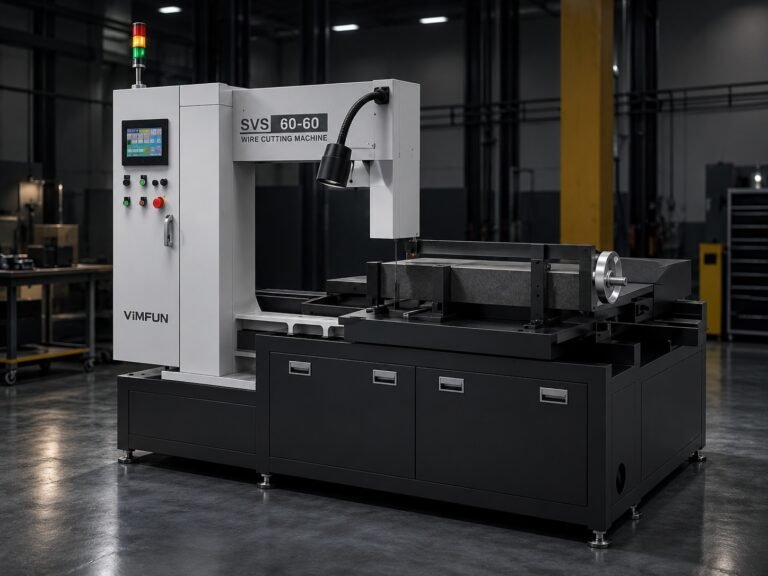
Cutting Machine vs. Full Machining Line
One cutter machine creates dust at only one location. A full machining line creates dust in many places, all at the same time. One machine generally requires only one housing and one filter. Dust control is needed at every step in a complete line. Turning, threading and finishing all create their own dust.
| Setup | Where Dust Comes From | What’s Needed |
| One cutting machine | One spot | One enclosure, one filter |
| Semi-automated line | Two or three linked steps | Several vent points |
| Full machining line | Nonstop, many steps | Full ducting and filter system |
As the factory grows in size so does the need for dust control. Probably cutting corners in a big factory with no proper ducting.
Questions to Ask Before You Order
Ask these five questions to see how serious a factory is about dust and safety:
- What dust systems are used for each stage?
- What filter standard do you have?
- Do you have written safety rules and an outside group that audits them?
- Can I have references or visit the graphite electrode machine factory?
- How do you keep parts accurate with all this dust?
A factory that gives clear specific answers is generally one you can trust. Vague answers are a big red flag.
Cheap Graphite Machining: What to Watch For
A low price is not always a bad thing. But sometimes a very cheap graphite electrode machining price could mean the supplier is cutting corners on dust control, safety training or machine maintenance. One simple way to offer a lower price is to cut these costs.
Ask these questions to find out what a low price really means:
- Is the dust equipment new or old and worn out?
- Are filters changed on a set schedule?
- Is safety training current or informal?
- Is that part of quality control, or is that extra?
There is nothing wrong with a low price. Usually it is a low price and no clear answers to these questions.
What a Good Quote Should Include
Graphite electrode machining quotes provide full details not just a unit price. It must have safety papers and an exact delivery time. A quote with only price and quantity makes it difficult to compare graphite electrode machining suppliers objectively.

A full quote would look like:
- Details of electrode size and tolerance
- Source and type of material
- Safety and dust control papers
- Delivery time and how much they can earn
- How do they quality check
Top factories can fill out every part of a quote easily, because they already track this info. Request the same information from more than one factory and use the same format for all. Then it is much easier to compare.
Common Mistakes Buyers Make
Mistakes buyers are likely to make:
- Just comparing prices without asking what safety features are included.
- If a machine that looks new has a good filtering system,
- missed a factory visit or video tour prior to the first order
- Safety papers taken as an extra, not a real mark of quality
All these mistakes are easy to avoid. You just have to ask the right questions first.
Frequently Asked Questions
How do graphite electrode machining suppliers control dust?
They use sealed housings, multi-stage filters and simple safety rules. It traps dust at the source in the housing. The filter purifies the air. Safety rules are meant to keep the entire shop safe and clean.
- Air flowing into sealed chambers
- Cyclone & HEPA Filters
- Air testing rules and safety equipment
Is graphite powder toxic?
Yes, it can. Fine dust can irritate the lungs. It can also be a fire hazard in confined spaces. How much dust there is and how well the space is ventilated is the real danger.
- OSHA and NIOSH have safety rules for this dust
- Risk is increased in enclosed poorly ventilated spaces
- Good containment reduces health and fire risk
What to look for in a graphite electrode machining factory?
Look for good dust control systems, a standard filter and safety checks by independent third parties. The factory should also be ready to provide you with references or to let you visit.
- Information on their housing and vent system
- A normal clear filter
- Safety outside auditing records
Why is it dangerous to machine inexpensive graphite electrode?
A dirt-cheap price may mean factory didn’t do dust upgrades, old filters, informal safety training. That’s not the issue. It’s the price that’s low. What it may be hiding is.
- Ask them what is included in the price.
- Schedule filter replacement check
- Compare it with a full, detailed quote from another supplier
What’s the difference in dust control with one machine versus a full line?
The big difference is size. One enclosure and filter is required for each machine. Dust control is needed along the entire line and must be incorporated into a series of interdependent steps. “The more output, the more dust control you require.
- One machine: single point of pull.
- Complete line: connected filters and ducting
- More output usually means more dust control is required
Conclusion
Good dust control is about three things: Enclosure design. Filtration. Clear safety rules. These are more important than a quick turnaround or a low price. Usually, graphite electrode machining suppliers that can answer clear questions on all three is the safer choice.
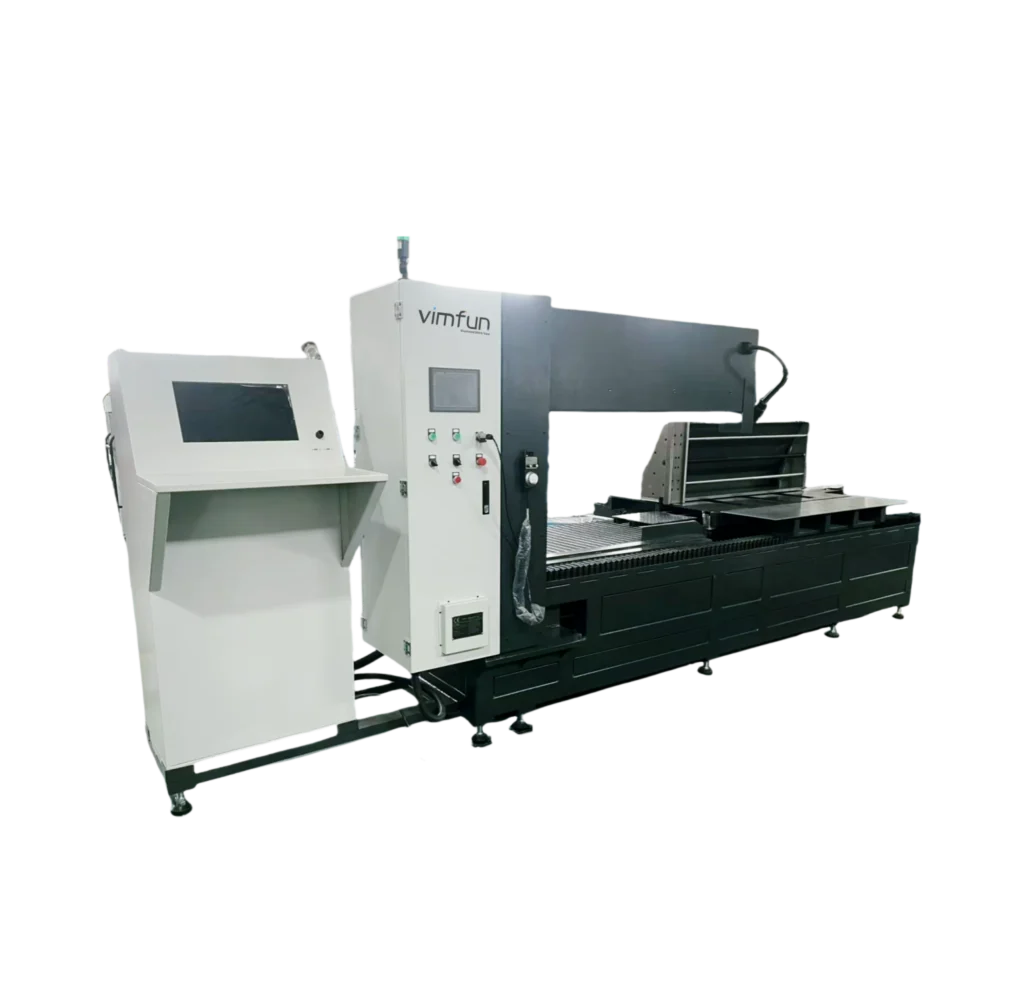
Vimfun is interesting. Its machining lines are designed with dust control in mind, not as an afterthought. This is especially important in the high-dust steps discussed in this article. Request a comprehensive quotation and learn about their operational procedures.