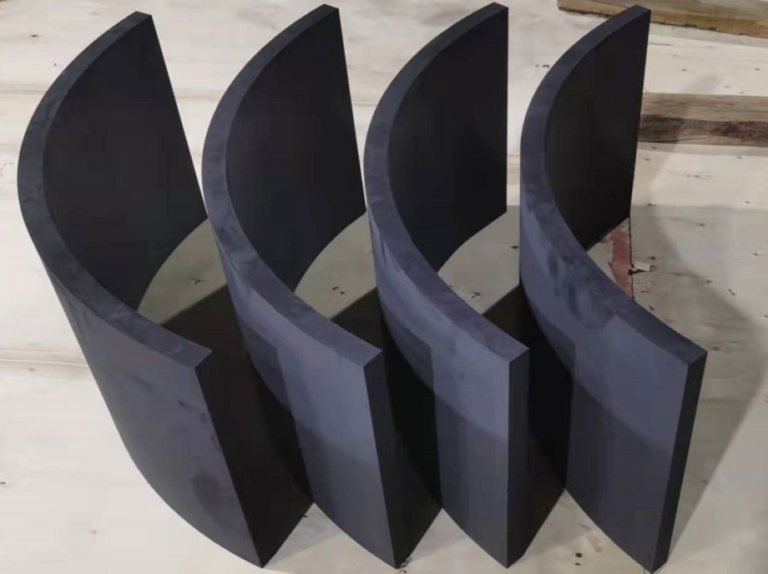
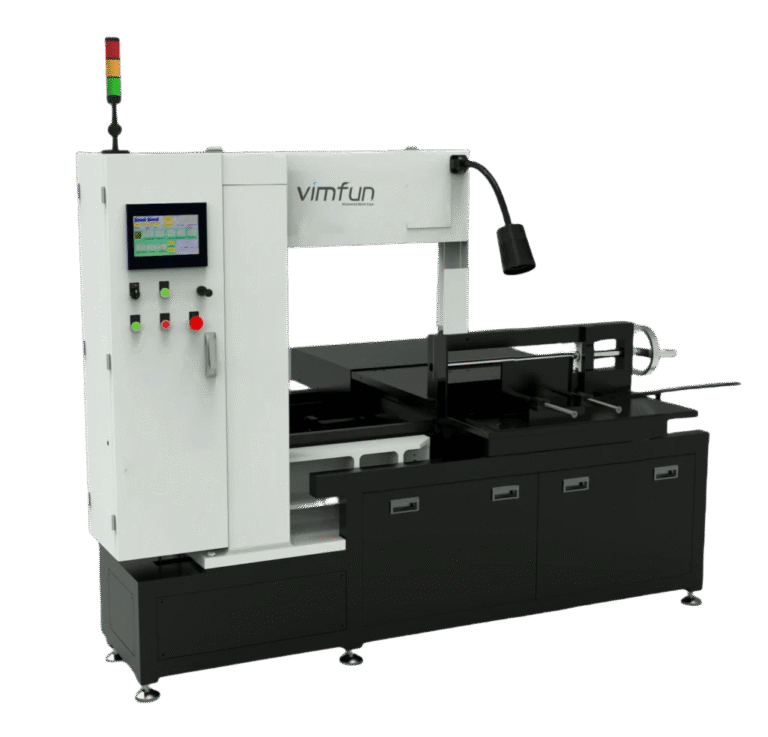
Graphite components are widely used in semiconductor equipment, EDM electrodes, high-temperature tooling, and aerospace structures. However, graphite is a brittle material with a layered crystalline structure, which makes conventional machining processes difficult to control.
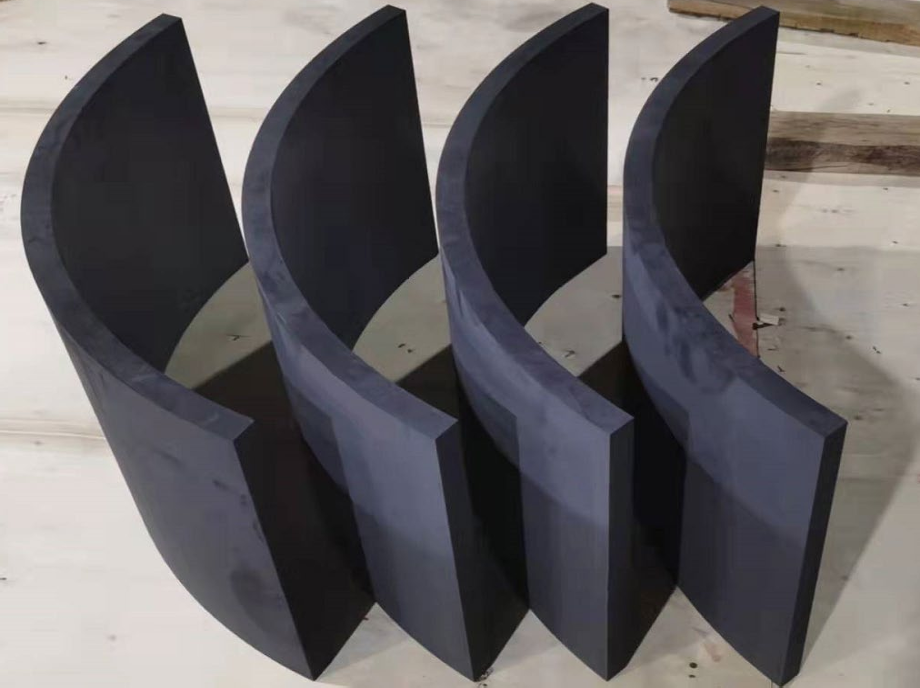
Engineers often compare グラファイト切断と機械加工 when selecting the most suitable processing method. Although machining is traditionally considered a precise manufacturing process, graphite behaves differently from metals under mechanical stress.
Instead of plastic deformation, graphite typically fractures during tool contact. This behavior leads to unstable chip formation, edge chipping, and unpredictable surface damage.
Understanding the engineering differences between グラファイト切断と機械加工 helps manufacturers choose the most reliable production process.
Fundamental Difference Between Graphite Cutting and Machining
The main difference in グラファイト切断と機械加工 lies in the material removal mechanism.
Material Removal in Machining
Graphite machining relies on rotating cutting tools such as milling cutters or grinding wheels. The tool removes material through repeated contact and compression of graphite particles.
This removal mechanism creates powder-like debris rather than continuous chips.
Typical machining processes include:
- CNC milling
- surface grinding
- drilling
- EDM electrode shaping
However, グラファイト加工 often generates dust, tool wear, and micro-fractures inside the material.
According to research on brittle material machining mechanisms, graphite removal is mainly dominated by fracture rather than plastic deformation.
External reference:
https://www.sciencedirect.com/science/article/abs/pii/S0924013606002202
Material Separation in Cutting
Cutting technologies separate the material along a defined path instead of gradually grinding it away.
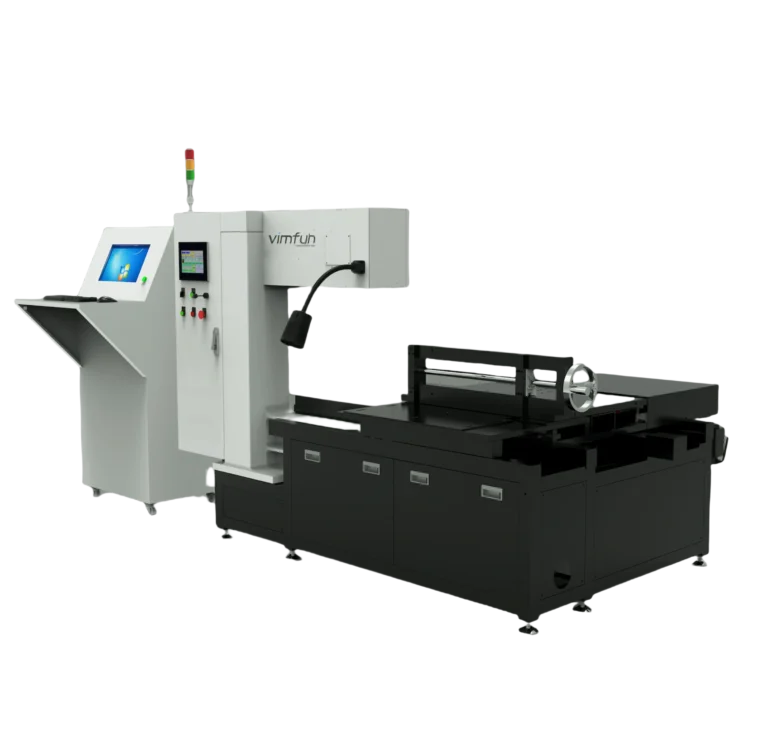
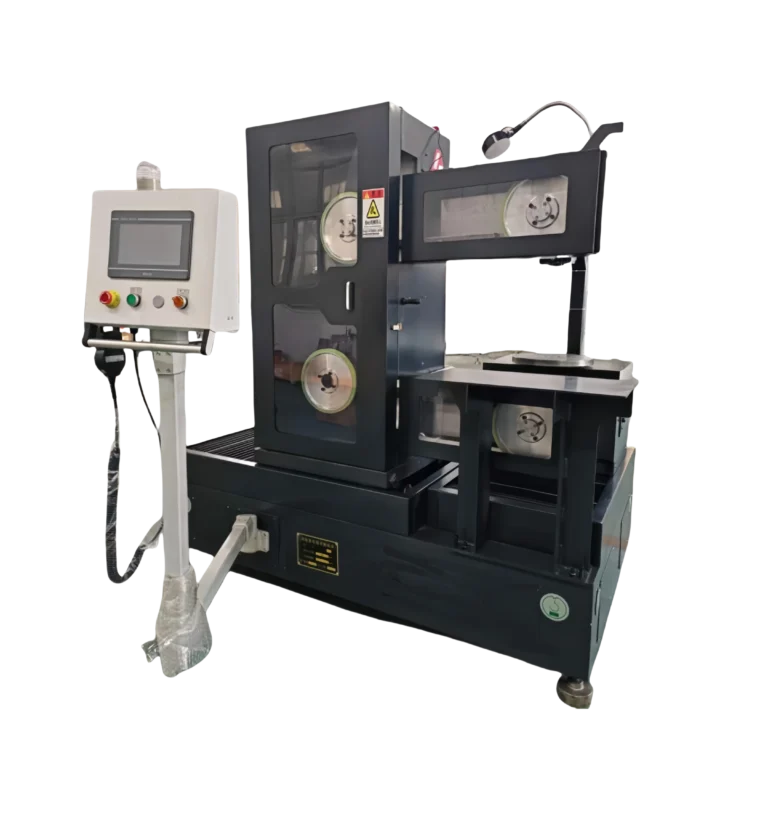
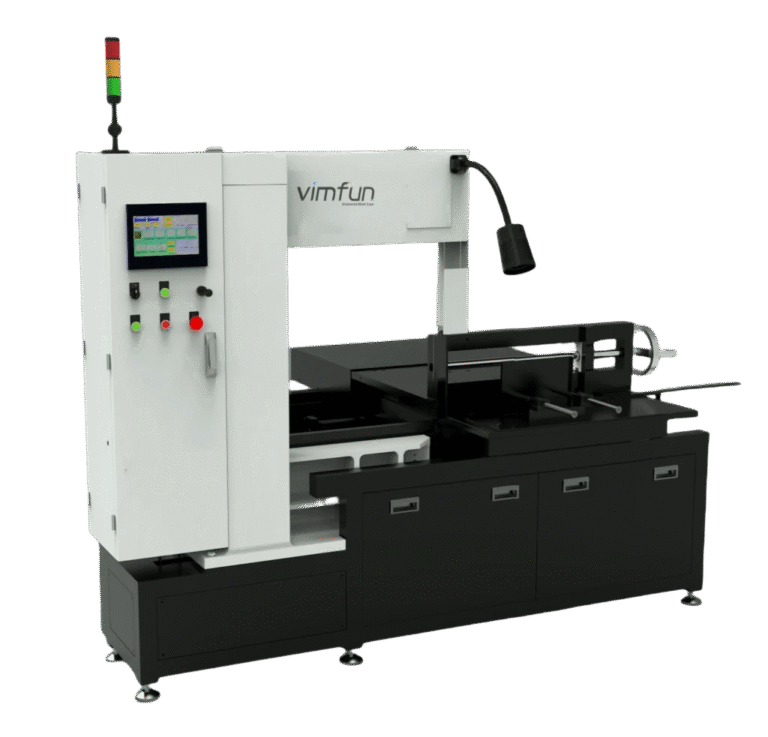
A common example is the エンドレスダイヤモンドワイヤー切断機, where a diamond wire loop continuously slices through the graphite block.
Typical machine parameters include:
- wire speed up to 80 m/s
- wire tension between 150–250 N
- kerf width around 0.4 mm
Because the cutting force is distributed along the wire, the material experiences lower stress.
This difference is a key factor in understanding グラファイト切断と機械加工 performance.
Mechanical Mechanisms and Material Damage
The mechanical interaction between tool and graphite strongly influences surface integrity.
Stress Concentration in Machining
During machining, rotating tools apply intermittent forces to the workpiece.
These cyclic loads create localized stress peaks that may cause:
- micro-cracks below the surface
- grain pull-out
- delamination along graphite layers
These defects can reduce structural reliability in high-precision applications.
Stable Cutting Force Distribution
In cutting processes such as diamond wire cutting, the force distribution is more uniform.
The continuous motion of the wire reduces sudden impact forces, which minimizes crack propagation.
When evaluating グラファイト切断と機械加工, the reduced stress concentration in cutting processes often leads to improved surface quality.
Precision and Kerf Loss Comparison
Precision manufacturing requires both dimensional stability and efficient material usage.
切り口幅
Kerf width determines how much material is lost during processing.
| パラメータ | Machining | ワイヤーカット |
|---|---|---|
| カーフ幅 | often >1 mm | about 0.4 mm |
| Material waste | relatively high | lower |
| Edge damage | possible | minimal |
Reduced kerf loss is particularly important when processing expensive graphite materials.
Dimensional Stability
Machining precision may vary due to:
- tool wear
- vibration
- thermal expansion
- dust accumulation
In contrast, wire cutting systems operate with a stable wire loop, which improves repeatability.
Therefore, many manufacturers analyze グラファイト切断と機械加工 before selecting equipment for high-precision graphite processing.
Why Machining Can Be Less Stable for Graphite
Although CNC machining provides programmable tool paths and multi-axis control, graphite’s physical characteristics can reduce process stability.
Abrasive Dust and Tool Wear
Graphite powder produced during machining is highly abrasive.
This accelerates tool wear and may lead to:
- dimensional errors
- inconsistent surface finish
- frequent tool replacement
Vibration Sensitivity
Thin graphite structures are sensitive to vibration from rotating tools.
This may cause edge chipping or structural damage during machining.
Brittle Fracture Behavior
Unlike metals, graphite fails primarily through brittle fracture.
Because fracture paths are unpredictable, machining stability becomes difficult to maintain.
These factors explain why engineers often analyze グラファイト切断と機械加工 when optimizing graphite processing workflows.
Process Selection in Typical Industrial Applications
Different graphite components require different manufacturing approaches.
Semiconductor Equipment Components
Graphite parts used in semiconductor furnaces require:
- high dimensional accuracy
- low particle contamination
- smooth surface finish
Cutting technologies are often used to prepare raw graphite blocks before precision finishing.
For additional information about semiconductor materials processing, see:
https://www.semiconductors.org/resources/
EDMグラファイト電極
Machining remains essential for producing complex electrode geometries.
CNC milling allows engineers to create intricate cavities and contours.
However, rough block separation may still rely on cutting technologies.
理解する グラファイト切断と機械加工 helps manufacturers design an efficient hybrid production workflow.
Large Graphite Blocks and Plates
Wire cutting is particularly effective when slicing large graphite billets or plates.
Advantages include:
- lower kerf loss
- long stable cuts
- reduced internal cracking
Relationship to Graphite Processing Technology
In practical manufacturing, cutting and machining should be viewed as complementary processes.
A typical production workflow may include:
- wire cutting for block slicing
- CNC machining for detailed features
- finishing operations for final surface quality
Combining both technologies improves production efficiency and reduces material waste.
理解する グラファイト切断と機械加工 enables engineers to design optimized manufacturing strategies.
結論
Graphite machining and cutting represent two fundamentally different processing mechanisms.
Machining removes material through repeated tool contact, which may generate dust, tool wear, and micro-fractures. Cutting technologies, especially diamond wire systems, separate the material along a narrow path with lower mechanical stress.
For many graphite applications, evaluating グラファイト切断と機械加工 allows engineers to balance precision, stability, and material utilization.
Selecting the correct process combination ultimately leads to higher manufacturing efficiency and more reliable graphite components.