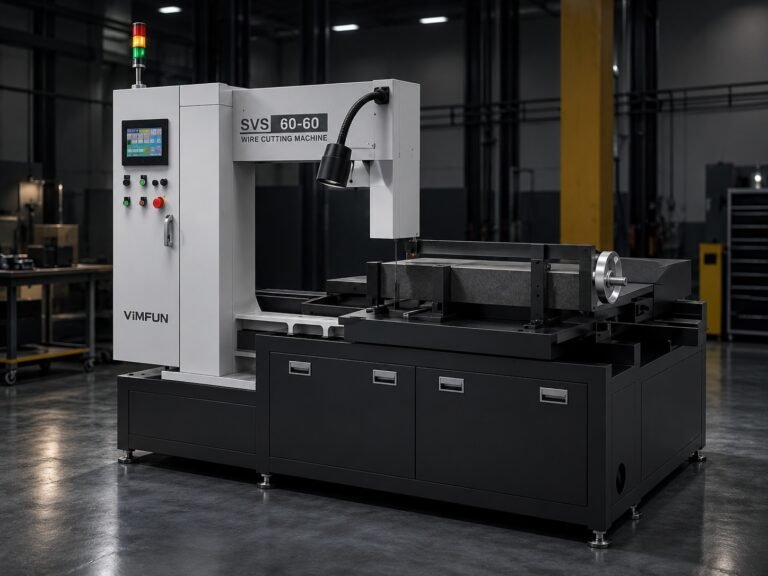
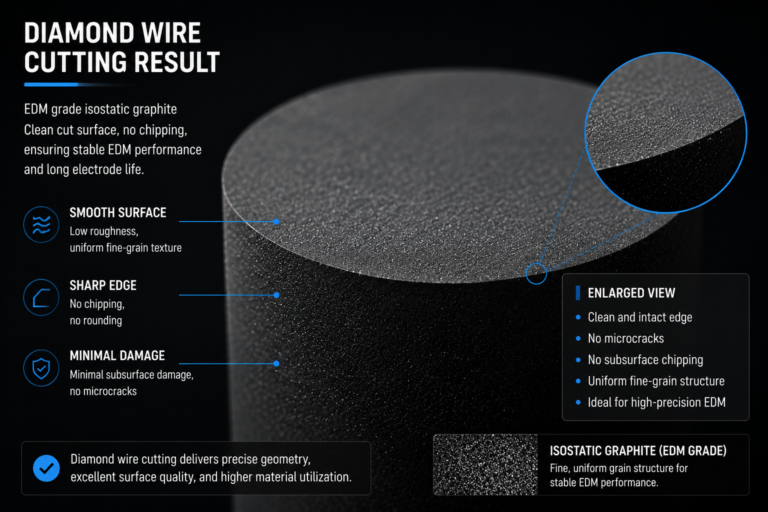
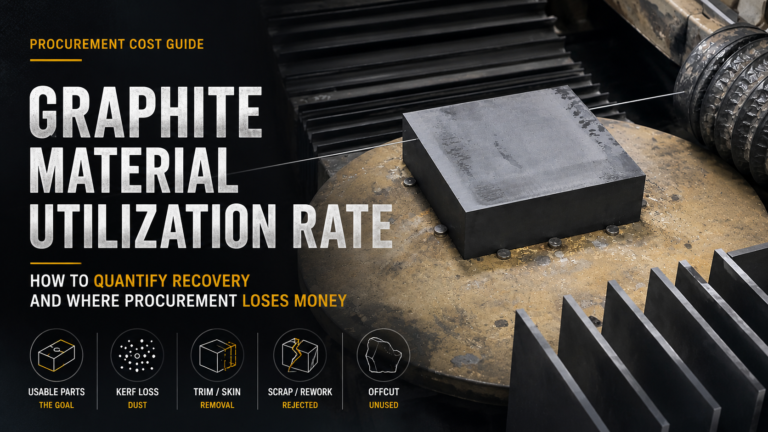
EDM(放電加工)作業では、数ミクロンは大きな違いです。部品が金型に合わない場合があります。そのため、ハイエンドのグラファイトを加工することはできません。精密作業では、高度なグラファイト加工が不可欠です。.
グラファイト加工店は一つのことを知っています。切削工具として使用する場合、グラファイトは金属ではありません。粉塵、工具の摩耗、機械の剛性は、通常の金属加工よりも重要です。.
この記事では、グラファイトの切削の容易さを検証します。ミクロンレベルの精度が実際に可能かどうかを問いかけます。校正と剛性の重要性を示します。また、グラファイト部品がどこで使用されているか、そして良いパートナーをどのように選ぶかについても指摘します。.
グラファイトは本当にどのくらい加工しやすいか?
グラファイトは加工しやすいものの1つです。引き裂くことなく切断できます。クーラントは不要です。グラファイトはほとんどの金属よりも加工が速いですが、 高度なグラファイト加工. 。しかし、容易な切断では公差を達成できません。.
- グラファイトが金属と異なる加工方法
グラファイトは細かい粉塵として剥がれ落ちます。金属のようにチップに丸まることはありません。これにより、部品の熱上昇が少なくなります。クーラントは不要です。部品は本来の形状を維持します。.
- 結晶構造とその精度への影響
グラファイト内の微細な粒子のサイズを粒度と呼びます。表面の滑らかさに影響します。また、エッジの鋭さにも影響します。微粒子のグラファイトはディテールをよりよく保持します。角が簡単に欠けることはありません。そのため、詳細な作業には微粒子または超微粒子のグレードが必要になることがよくあります。.
精密加工で使用される一般的なグラファイトグレード
| グレードタイプ | 典型的な粒度 | 最適な用途 | 表面仕上げ |
| 粗粒 | Above 25 microns | 粗加工工具、一般的な形状 | 中程度 |
| 中粒 | 10–25 microns | 標準EDM電極 | 良い |
| 微粒子 | 5–10 microns | 詳細な電極、薄壁 | 非常に良い |
| 超微粒子 | Under 5 microns | ミクロン公差作業 | 素晴らしい |
グラファイト加工はミクロン公差を達成できるか?
高度なグラファイト加工 ミクロン公差を達成できます。しかし、これは機械、工具、加工店がすべて一緒に管理されている場合にのみ機能します。プロセスのどの部分も単独ではこれを達成できません。.
「ミクロンレベル」とは実際に何を意味するか
ミクロンはミリメートルの千分の一です。非常に小さいです。「ミクロンレベルの公差」とは、部品が意図したサイズから数ミクロン離れていることを意味します。詳細な電極の場合、通常は5〜10ミクロンです。.
公差損失が一般的に発生する場所
小さなステップは精度の欠如を意味します。大きな間違いが起こることはめったにありません。
- 微細切削時の工具たわみ
- ワークショップでの熱変化
- 繰り返し切削中の部品のずれ
- 粉塵によって遮断されるプローブまたはレーザー読み取り
用途別の現実的な精度範囲
| 応用 | 典型的な公差目標 | 難易度 |
| 粗加工EDM電極 | ±25〜50ミクロン | 低い |
| 標準金型電極 | ±10〜15ミクロン | 中程度 |
| 詳細電極 | ±5〜10ミクロン | 高い |
| Semiconductor components | ±2–5 microns | Very high |
Calibration: The Foundation of Precision Machining
Calibration aligns a machine’s true place with its reported value. First, this has to be correct. If this is wrong, then tools, and rigidity, matter less. A well-oiled machine can still cut the wrong size if it is out of calibration.
- Why Calibration Drift Affects Graphite More Than Metal
Graphite dust is gritty and fine. It can creep into small parts, such as scales and sensors. This makes calibration drift look faster here than shops cutting metal.
- Tooling Calibration and Measurement Checks
Many shops that do micron level work check the size of the tool. They do that more than regular stores. A tool that’s off a few microns can ruin the next part. Checking is usually a mix of techniques. Work is checked right on the machine with touch probes. Close up optical tools check fine edges. Final check on the coordinate measuring machines for critical parts.
Rigidity’s Role in Holding Tight Tolerances
Stiffness is the capacity of a machine to resist deflection under the action of a cutting force. It is one of the principal things that 高度なグラファイト加工 relies on. A rigid machine preserves its shape. It does this even on a fast, fine cut.
- Machine Frame Rigidity and Vibration Resistance
A stiffer frame takes little shakes. Otherwise the part may show marks or rounded corners. This is one reason a dedicated machine is often better than a general purpose mill for fine detail work.
- Workholding and Fixture Stability
If a part moves a few microns during a cut, the tolerance is blown. Good fixturing holds the part securely in place. It should be clamped the same way every time. Between steps it should be checked.
- How Rigidity Affects Fine Detail and Edge Quality
Thin ribs, sharp corners and narrow slots are the first to go from rigidity. A low-rigidity machine will tend to round these off. That is often the first sign a machine is too soft.
What Precision Actually Requires Beyond the Machine
Precision is a function of the whole system working together. It’s not just the specification sheet. Stable, micron level results require a stable spindle, a controlled shop and an experienced operator, all at the same time.
- Spindle Stability and Its Contribution to Tolerance
Stable, well-balanced spindle Low spindle runout Runout is a slight wobble at the end of the spindle. The low runout prevents fine tools from walking during the cut. Even the tiniest wobble becomes magnified at the end of a thin tool.
- Environmental Controls and Operator Skill
The machine and part grow and shrink with the heat swings. And that can mess up work to the micron level only. And dust control is equally important. The operator’s plan for the cut does too. Skilled workers are not fond of sharp bends in the road. They set careful speeds near thin sections. This means less bending.
What Is Machined Graphite Used For?
Machined graphite is used mainly for EDM electrodes and high-heat tooling. It is also used for parts that need to maintain shape in heat. Besides mould work, its easy cutting and heat resistant properties make it useful for much more.
- EDM Electrodes and Mold-Making Applications
The most common application of precision graphite is EDM electrodes. Graphite is a good conductor of electricity. It is worn away in a controlled manner in the EDM process. This is also used for shapes too hard to cut in hardened steel in mould and die shops.
- Aerospace and Semiconductor Uses
Graphite is not affected by high heat. This makes it useful for aerospace tooling. It is also used for semiconductor wafer work pieces. These jobs often have some of the tightest tolerances in the industry.
- 3D Graphite and Machining for Complex Shapes
This technique now works on shapes that used to take many setups. This includes undercuts, curved cavities, detail cuts from many angles all in one program. Now lead times are much shorter. It now makes up a growing share of the total advanced graphite machining work.
Graphite Machine Types Built for Precision Work
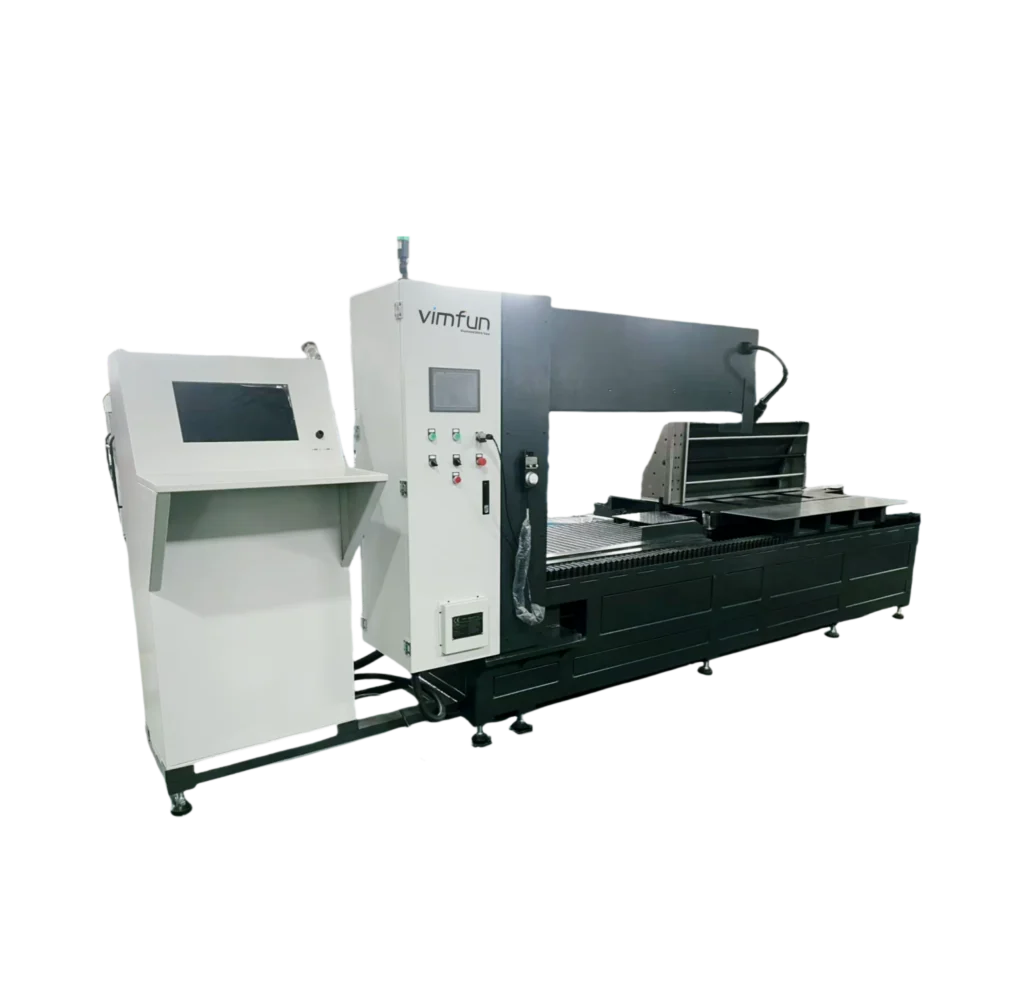
It’s a dedicated machine built around dust control, rigidity and fine-tool stability. It is not any generic machine adapted to the task. The gap is more important as tolerance needs become tighter.
- Dedicated Systems vs General-Purpose CNC
A purpose built unit will typically have sealed covers and incorporated dust collection. Its spindles make the music of fine cutting. This combination is what 高度なグラファイト加工 relies on for repeatability. A general cnc machine can cut graphite. But it costs some dust control and tool life. Check for fine scales and auto tool checks. These help to cut down on small mistakes over time.

- Best Graphite Shaping Machine Suppliers to Evaluate
When you compare suppliers, get real, written proof of repeat results. Don’t just look at the maximum spindle speed. Big numbers on a spec sheet don’t tell the whole story.
In-House Machining vs Graphite Machining Services
Whether you do it yourself or take it to a shop is up to you but that depends on a few things. It depends on volume, tolerance needs and how often your designs change. Neither choice is always the better one.
When In-House Advanced Graphite Machining Makes Sense
In-house advanced graphite machining works well for shops with steady high volume. It also suits shops that need total control of timing. It is suitable for teams that rework designs a lot during mould work.
Cost and Precision Tradeoffs Compared
| グレードタイプ | 典型的な粒度 | 最適な用途 | 表面仕上げ |
| 粗粒 | Above 25 microns | 粗加工工具、一般的な形状 | 中程度 |
| 中粒 | 10–25 microns | 標準EDM電極 | 良い |
| 微粒子 | 5–10 microns | 詳細な電極、薄壁 | 非常に良い |
| 超微粒子 | Under 5 microns | ミクロン公差作業 | 素晴らしい |
Choosing a Graphite Machining Partner or Factory
A good partner can give you real evidence of the claims they make. Marketing words are not enough. It matters just as much for one test part as for a long production run.
What to Look for in Best Graphite Shaping Machine Factories
Check for in-house measuring equipment and proof of origin of the graphite. Also, find a room with dust control. These small details are also what differentiate real precision shops from shops that cut graphite.
Questions to Ask About Tolerance Guarantees
A simple way to ask before you choose a partner:
- この形状でどの程度の公差を提供できますか?
- How often do you check your gear?
- What kind of report accompanies the finished part?
よくある質問
Is graphite easier to cut than metal?
“Graphite is easier to cut than most metals. Does not curl into chips It takes no coolant and does not warp major heat. It still needs good dust control. It also requires fine-grain stock for detailed work. So it’s not always easier all around.
- No coolant needed
- Requires dedicated dust extraction
Is graphite able to be machined to micron tolerances?
Yes, graphite can be machined to a tolerance of a few microns off the target. This works when calibration, rigidity and the shop are all in control. That kind of precision is routine in fine-detail EDM and semiconductor work.
- Works best on fine or ultra fine grain stock.
- Requires regular checks of tools and machines
Machined graphite is most commonly used for:
Machined graphite is primarily used for EDM electrodes in the mould and die industry. It is also found in aerospace tooling, semiconductor components, and high-temperature industrial parts.
- EDM electrodes for mould cavities
- Fixtures for semiconductor processing
Graphite machining is the reason for loss of precision, why?
The loss of precision is typically from bending of the tool, calibration drift, heat changes, or the part moving during the cut. These little things add up. They rarely read as a single mistake.”
- Worn, uncalibrated tools
- Shop temperature fluctuations
Should you machine graphite in-house or outsource?
Sometimes, it’s better to choose one or the other. Depends on your volume, your tolerance needs and how often your designs change. High, steady volume usually helps in-house work. An outside shop often benefits by low or fluctuating volume.
- In-house Fits high repeat volume
- Outsourcing works well with low or variable volume
- Both can get tight tolerances with the right controls
What tools do you need for precision graphite work?
精密なグラファイト加工には防塵加工された機械が必要です。正確な測定ツールは必須です。また、微細または超微細粒度の材料も必要です。これら3つが揃わないと、長期間にわたって厳しい公差を維持することは困難です。.
- 機械で封止されたダストが抽出されました
- 校正された測定システムまたはプローブ
結論
優れた仕様書だけでは、高度なグラファイト加工でミクロンレベルの精度は得られません。それは、校正、剛性、そして管理された作業環境が組み合わさった結果です。これらの問題を別々の問題として扱うショップは、良い設備を持っていても時間とともに精度が低下する傾向があります。.
チームがサプライヤーを検討している場合、またはこの作業を内製化するかどうかを検討している場合、, ヴィムファン は非常に参考になります。グラファイト加工能力と調達オプションを理解するための良いリソースであり、パートナーを選ぶ前に役立ちます。.