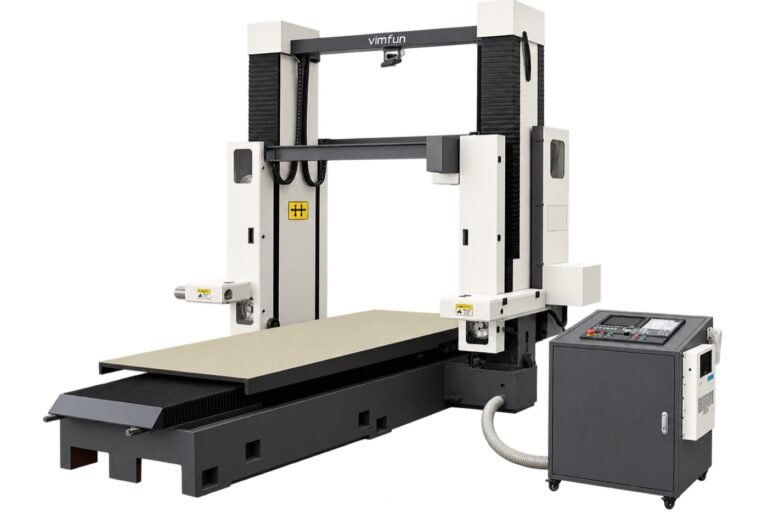
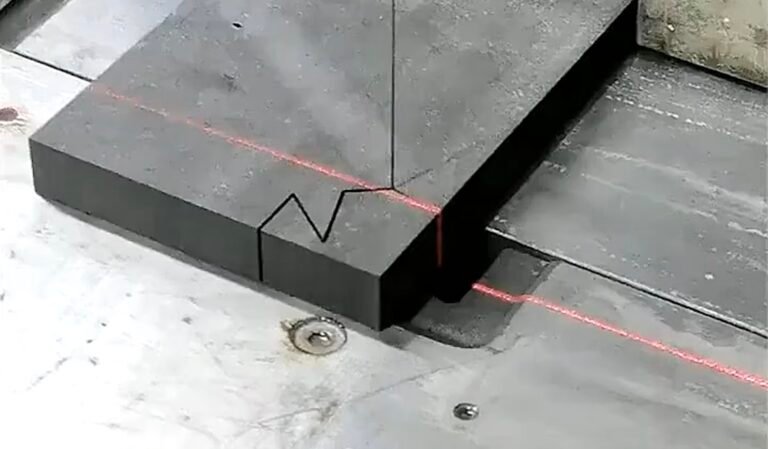
흑연 블록 절단 응력은 균열 조사의 가능한 부분일 수 있으며, 단일 사진으로 진단할 수 있는 것은 아닙니다. 결함을 찾아내고, 언제 처음 관찰되었는지 확인하며, 재료, 지지대 및 절단 기록을 확인하는 것부터 시작하십시오.
분할 후 발견된 균열은 입고 재고, 취급, 고정구 접촉, 국부 하중 또는 조건의 조합과 관련될 수 있습니다. 조사는 증거가 좁혀질 때까지 이러한 가능성을 보존해야 합니다.
그만큼 industrial graphite block cutting topic page 준비 경로를 다룹니다. 이 기사는 응력 값을 발명하거나 모든 흑연 블록이 동일한 위험을 포함한다고 가정하지 않고 증거를 수집하고 후속 시험을 설계하는 구조화된 방법을 제공합니다.
흑연 블록 절단 응력 질문 정의
실제 이벤트를 먼저 설명하십시오. 재료 등급, 재고 치수, 절단 방향, 결함 위치 및 발견 단계를 식별하십시오. 의심되는 영역이 입고 시, 적재 후, 절단 중 또는 전송 후에만 보였는지 기록하십시오.
관찰을 제안된 원인과 분리하십시오. “고정 영역 근처의 균열”은 관찰입니다. “고정으로 인해 균열이 발생했습니다”는 추가 증거가 필요한 가설입니다.
재료 식별은 중요하지만 등급 레이블이 완전한 결함 이력은 아닙니다. SGL Carbon은 여러 이소성 등급을 구별합니다. 흑연을 단일 균일 사양으로 취급하는 대신 관련 재료 문서를 검토하십시오.
응용 프로그램별 지원 없이는 허용 가능한 고정 압력 또는 범용 공급 범위를 할당하지 마십시오. 검토의 목적은 테스트할 내용을 식별하는 것이지 장비 및 재료 절차를 일반 숫자로 대체하는 것이 아닙니다.
결함 및 타임라인 보존
유용한 경우 방향과 축척으로 의심되는 영역을 사진 촬영하십시오. 절단 방향, 근처 접촉 및 최종 블랭크와의 관계를 표시하십시오. 현장 절차와 일치하는 경우 물리적 증거를 보존하십시오.
입고 검사 기록을 검토하십시오. 기록된 결함의 부재는 재고에 결함이 없었다는 증거가 아닙니다. 원래 검사에서 내부 또는 접근할 수 없는 특징을 감지하지 못했을 수 있습니다. 자신감 있는 결론으로 간극을 채우기보다는 그 한계를 명시하십시오.
재료가 언제 이동되었는지, 재고정되었는지 또는 분리되었는지 물어보십시오. 전송 후 이루어진 관찰은 절단 패스에 자동으로 귀속되어서는 안 됩니다. 취급 이벤트를 타임라인에 표시하십시오.
흑연 블록 절단 응력의 경우 타임라인은 제안된 메커니즘이 이벤트와 일치하는지 여부를 결정하는 데 도움이 됩니다. 또한 팀이 결함과 문서화된 관계가 없는 공정 변수를 변경하는 것을 방지합니다.
지지대 및 고정구 접촉 검토

분할 전후의 실제 안착 및 구속 위치를 매핑하십시오. 어떤 부분이 유지되고, 어떤 부분이 자유로워지며, 절단의 마지막 부분 동안 둘 다 어떻게 지지되는지 식별하십시오.
재료가 제거됨에 따라 지지 조건의 변화를 찾으십시오. 시작 시 촬영된 설정 사진이 반드시 해제 시점의 하중 경로를 나타내는 것은 아닙니다. 시험 계획에서 해당 후기 조건을 문서화하십시오.
접촉 표면 및 관련 고정구 기록을 검사하십시오. 집중된 접촉 또는 고르지 않은 안착 조건은 가설로 간주될 수 있지만, 그 존재만으로는 응력을 정량화하거나 균열의 원인을 확립하지 못합니다.
제안된 고정구 변경은 장비 절차, 접근 요구 사항 및 취급 계획에 대해 검토해야 합니다. 보편적인 대응으로 단순히 구속을 늘리지 마십시오. 변경된 접촉 조건은 자체 평가가 필요합니다.
매개변수 혼동 없이 절단 기록 검토
와이어 식별 및 상태, 장력, 와이어 속도, 공급, 절단 섹션, 프로그램 및 중단을 기록하십시오. 단위 및 정의를 보존하십시오. 와이어 장력은 흑연 공작물 내부의 응력에 대한 직접적인 측정값이 아닙니다.
실제 시퀀스가 계획된 경로와 일치했는지 확인하십시오. 일시 중지, 재배치 또는 문서화되지 않은 작업자 변경은 명목상 설정이 동일하더라도 샘플 간에 관련 차이를 만들 수 있습니다.
어려운 영역을 블랭크의 나머지 부분과 비교하십시오. 분리 단계에서 문제가 반복적으로 발생하면 해당 위치를 사용하여 다음 관찰을 설계하십시오. 반복되는 위치가 메커니즘을 고유하게 식별한다고 가정하지 마십시오.
흑연 블록 절단 응력 조사는 측정된 공정 입력, 관찰된 결함 및 추론된 메커니즘을 별도의 열에 유지해야 합니다. 이렇게 하면 증거가 첨부되지 않은 가능한 원인 목록보다 보고서가 더 유용해집니다.
증거 매트릭스 사용
| 증거 범주 | 수집할 내용 | 확립할 수 있는 내용 |
|---|---|---|
| Incoming material | 등급, 로트, 공급업체 정보 및 초기 관찰 | 문서화된 시작 조건 |
| 고정구 및 지지대 | 해제 시점 근처의 접촉 맵 및 조건 | 검토할 물리적 설정 |
| 절단 이력 | 실제 설정, 시퀀스, 와이어 상태 및 중단 | 샘플이 비교 가능한 조건을 사용했는지 여부 |
| 결함 위치 | 표시된 사진 및 치수 | 문제가 관찰된 위치 및 시기 |
| 검사 반복 | 일관된 방법 및 선택된 반복 확인 | 관찰이 재현 가능한지 여부 |
| 후속 비교 | 제어된 변경 및 일치하는 평가 | 특정 가설에 대한 또는 반대되는 증거 |
NIST는 측정 프로세스 내의 변동성에 대해 논의합니다. Apply that principle when deciding whether a small dimensional or observational difference between trials is meaningful.
Where a defect cannot be characterized adequately by the available inspection, seek a suitable material or metrology review rather than inventing an explanation from appearance alone.
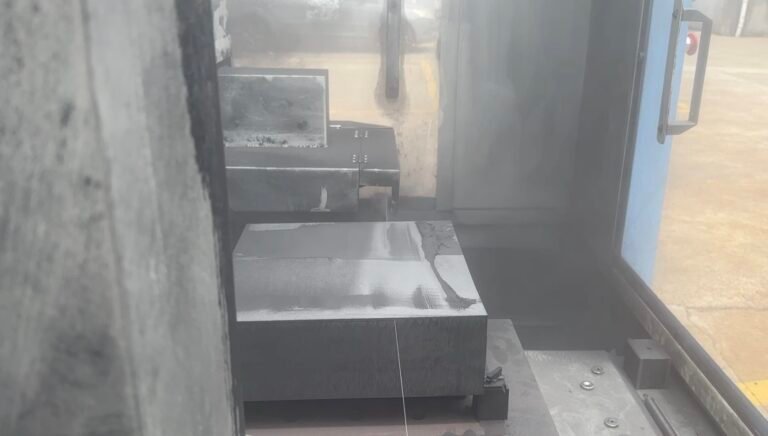
Video: Large-block cutting context
Watch on YouTube · Vimfun Endless Diamond Wire Saw
The footage provides context for reviewing the cutting setup. It is not a documented stress-cracking investigation, and visible cut lines or surface marks must not be relabeled as proven fractures.
Field Notes: A Geometric Shortcoming Is Not a Crack Test
그만큼 published SVI250-80 bar trial used grade 2554 stock, a nominal 500 × 87 × 70 mm output and 0.8 mm wire. Recorded settings included 160 N wire tension and 42 mm/min feed, with compensation off.
Width increased from 87.00 to 87.30 mm. That taper is a real shortcoming in the documented result. It is not evidence of a crack, a quantified residual stress or a validated stress-release mechanism.
The 160 N figure describes the wire setting; it cannot be reported as a workpiece stress value. Likewise, the width trend cannot be used to calculate an internal stress field from the information supplied.
For a crack-specific field record, preserve the defect, incoming material history and comparable trial conditions. The available bar case supports disciplined reporting but does not fill those evidence gaps.
Design a Follow-Up for Graphite Block Cutting Stress
Choose one plausible hypothesis supported by the timeline and location. Define what observation would strengthen or weaken it. Keep other relevant conditions comparable where practical.
For a support-related hypothesis, document the actual changed support condition rather than only renaming the fixture. For a cutting-condition hypothesis, record the specific setting and the geometry over which it changes.
Inspect the same critical region and check for unintended effects elsewhere. An apparent reduction in one defect may come with an unacceptable geometry or allowance change. Keep the blank’s complete acceptance requirement in view.
사용하세요 graphite slicing stress discussion as related context, while recognizing that a thin plate and a large block are different configurations. Transfer questions for investigation, not unqualified parameter claims.
Keep the Production Decision Proportionate to the Evidence
If the sample contains a suspected crack affecting required material, follow the site’s nonconformance procedure before further use. The technical article should not replace the responsible engineering decision on a particular workpiece.
Document whether a proposed recovery removes the suspect region and still preserves the required geometry. Do not count a planned recovery as accepted output until the agreed inspection is complete.
For repeat production, record the frequency and conditions of actual events. A single defect can justify investigation, but it cannot establish a reliable rejection percentage or a proven comparison between cutting systems.
Known Limitations / Trade-offs
No universal graphite block cutting stress threshold, clamping force or crack-free setting is established here. Those would require material-specific data, a defined geometry and a validated analysis or test.
Changing support, allowance or sequence can affect access, material recovery and downstream work. Evaluate those trade-offs rather than assuming a more conservative route is free of production consequences.
The workflow distinguishes hypotheses from proof. A plausible explanation remains provisional when the incoming condition, load path or matched comparison is missing. Keep that uncertainty visible instead of converting it into a machine performance claim.
Retain the Reason for Each Process Change
Link the revised setup to the hypothesis it was intended to test. Record the observed result, any new issue and the conditions that were not controlled. This prevents an unconfirmed explanation from becoming a permanent production instruction.
If the evidence supports only a practical improvement, report that improvement without claiming a complete fracture mechanism. A route can be worth adopting while the detailed graphite block cutting stress explanation remains unresolved. Keep the distinction visible for later material or engineering review.
Questions for a Crack Investigation
Can the crack location identify the cause?
It can guide the investigation, but it rarely establishes the cause alone. Combine location with timing, incoming condition, support and actual process history.
Does wire tension measure workpiece stress?
No. It is a recorded machine input. Workpiece stress depends on the physical system and would need a suitable model or measurement to quantify.
What should accompany a troubleshooting request?
Material identity, blank and cut drawings, marked defect photographs, discovery stage, fixture information, settings and interruptions. Those records make a graphite block cutting stress review more useful than a request for a single “safe” feed value.
Share the evidence through our technical review contact page, including the downstream requirement and the region of material that must remain usable.