입고되는 재고가 요구되는 납품 조건의 완성품으로 더 많이 수용될 때 흑연 블록 절단 수율이 향상됩니다. 더 좁은 절단 폭이 도움이 될 수 있지만, 과도한 수정이 필요하거나 치수로 완성될 수 없는 완성품을 보완하지는 못합니다.
기계 비교 전에 재료 수지를 구축하십시오. 작업에 투입되는 것, 수용된 출력으로 배출되는 것, 회수 가능한 재고로 남는 것을 명시하십시오. 그 경계 없이는 두 가지 매력적인 수율 백분율이 다른 것을 설명할 수 있습니다.
그만큼 industrial graphite block cutting page 재고 준비를 다룹니다. 이 기사는 일반적인 비즈니스 수익성 또는 다운스트림 판재 수율보다는 초기 분할 중 재료 회계에 중점을 둡니다.
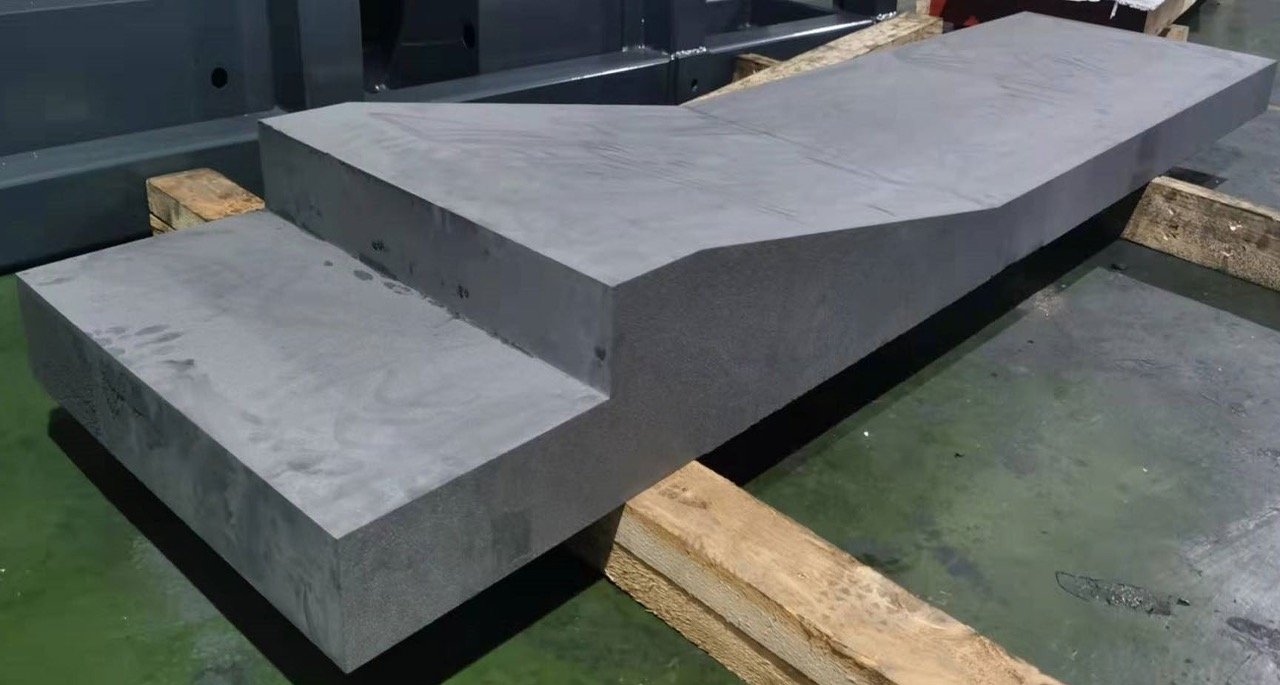
흑연 블록 절단 수율 경계 정의
일관된 기준: 부피, 질량 또는 등가 완성품 개수를 선택하십시오. 수용된 출력이 절단된 완성품 또는 완성된 부품을 의미하는지 기록하십시오. 부피 기반 완성품 회수율을 개수 기반 완성 부품 수율과 비교하지 마십시오.
질량을 사용하는 경우 재료 및 측정 기준을 식별하십시오. 부피를 사용하는 경우 계산에 사용된 치수를 정의하십시오. 공칭 재고 외형은 손상된 모서리 또는 불규칙한 표면 주변의 실제 재료를 나타내지 않을 수 있습니다.
작업 비교 시 등급 식별을 유지하십시오. SGL Carbon은 이소성 흑연 등급을 구별합니다.. 관련 등급 및 구매 기준을 확인하지 않고 기하학적 비교를 재료 비용 주장으로 변환하지 마십시오.
회수 가능한 잔여물을 수용된 완성품과 분리하여 보관하십시오. 유용한 잔여물은 미래 가치를 가질 수 있지만, 정의된 용도 및 수용 조건을 충족할 때까지 현재 주문 출력으로 간주되지 않습니다.
재료 손실을 유용한 범주로 나누십시오.
절단 폭, 계획된 트리밍, 가공 여유, 사용할 수 없는 잔여물 및 거부된 완성품을 별도로 기록하십시오. 이러한 범주는 다른 수정 조치로 이어집니다. 절단 폭을 줄이는 것이 잘못된 데이터 관계로 인해 거부된 완성품을 해결하지는 못합니다.
여유분은 특별한 주의가 필요합니다. 마감을 위해 예약된 재료는 절단 폭 손실이 아니라 절단된 완성품의 일부입니다. 완성 부품 회수율을 평가할 때 나중에 제거되는 부분은 다운스트림 작업에 속합니다.
불규칙한 부분만 사용할 수 있는 경우 전체 직사각형 경계 상자를 회수된 재료로 계산하지 마십시오. 마찬가지로 모든 작은 잔여물을 자동으로 폐기하지 마십시오. 오프컷을 작업에서 재사용 가능하게 만드는 치수, 조건 및 보관 규칙을 정의하십시오.
흑연 블록 절단 수율의 경우, 유리한 총계를 생성하는 것뿐만 아니라 결과를 설명하기 위해 범주를 사용하십시오. 그런 다음 의미 있는 개선은 레이아웃, 절단 횟수, 여유분 또는 수용의 변경과 연결될 수 있습니다.
명확하게 표시된 레이아웃 계산
70mm 완성품 7개를 공급하기 위한 500mm 재고 치수 문제, 각 0.8mm 폭의 6개 분리 절단 폭, 이 단순화된 계산을 위한 끝 트리밍 없음의 예시적인 1차원 분할 문제를 고려하십시오.
필요한 길이는 `7 × 70 + 6 × 0.8 = 494.8mm`이며, 이 방향으로 5.2mm가 남습니다. 완성품 길이 할당은 490mm입니다. 계산에 따르면 공칭 배열이 맞습니다. 실제 절단 정확도나 나머지 부분이 유용한지에 대해서는 아무것도 말해주지 않습니다.
이제 해당 치수 양쪽에 1mm의 마감 여유를 가정합니다. 각 완성품은 마감 전에 72mm가 됩니다. 동일한 배열은 `7 × 72 + 6 × 0.8 = 508.8mm`가 필요하므로 500mm에 더 이상 맞지 않습니다.
| 예시 조건 | 필요한 재고 길이 | Outcome |
|---|---|---|
| 70mm 완성품 7개; 0.8mm 절단 폭 6개 가정 | 8mm | 다른 여유분 전에 공칭으로 맞음 |
| 72mm 완성품 7개; 동일한 절단 폭 가정 | 8mm | 맞지 않음 |
| 실제 생산 레이아웃 | 측정된 입력 필요 | 트리밍, 형상 및 수용 확인 |
여기서 0.8mm는 산술을 위한 가정된 절단 폭입니다. 와이어 직경이 자동으로 측정된 절단 폭은 아닙니다. 가정을 시험 데이터로 대체할 때 해당 구분을 명확하게 유지하십시오.
레이아웃을 통해 흑연 블록 절단 수율 개선
필요한 완성품 크기와 방향 제약 조건을 매핑하여 시작하십시오. 다른 분할 순서가 좁은 스크랩 대신 사용할 수 있는 잔여물을 생성하는지 고려하십시오. 더 밀집된 레이아웃을 수용하기 전에 지원 및 처리 결과를 검토하십시오.
공차와 실제 재고 외형을 확인하지 않고 공칭 절단 위치를 사용하지 마십시오. 종이에 정확히 맞는 레이아웃은 끝 트리밍, 재고 배치 또는 필요한 정리 패스가 포함되면 실패할 수 있습니다.
형상이 허용하는 경우 불필요한 절단을 줄이되 결과적인 완성품 상태를 비교하십시오. 절약된 패스는 덜 유용한 참조 또는 어려운 나머지 부분을 생성할 수 있습니다. 회수율과 동일한 검토에서 생산 실용성을 유지하십시오.
사용하세요 low-kerf graphite cutting guide 절단 폭 경제성을 위해. 여기서 블록별 결정은 전체 초기 레이아웃이 수용된 완성품과 사용할 수 있는 잔여물을 생성하는지 여부입니다.
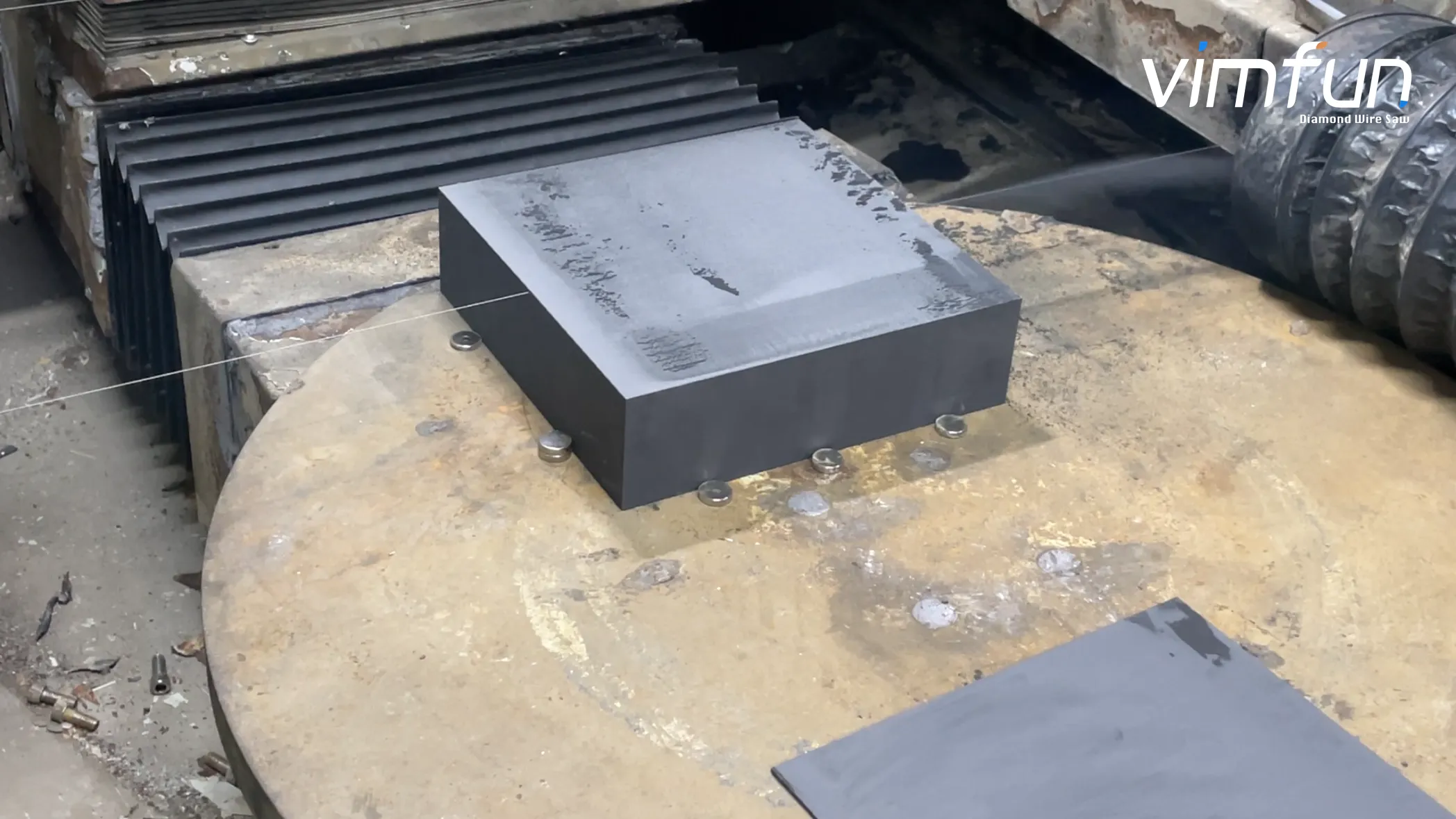
비디오: 재고 분할 및 처리 컨텍스트
Watch on YouTube · Vimfun Endless Diamond Wire Saw
장비 및 블록 절단 보기는 재고 분할 단계를 보여줍니다. 원본 재고, 수용된 완성품 및 남은 재료 기록 없이는 회수율을 계산할 수 없습니다.
현장 노트: 형상이 예상 절약을 소모할 수 있습니다.
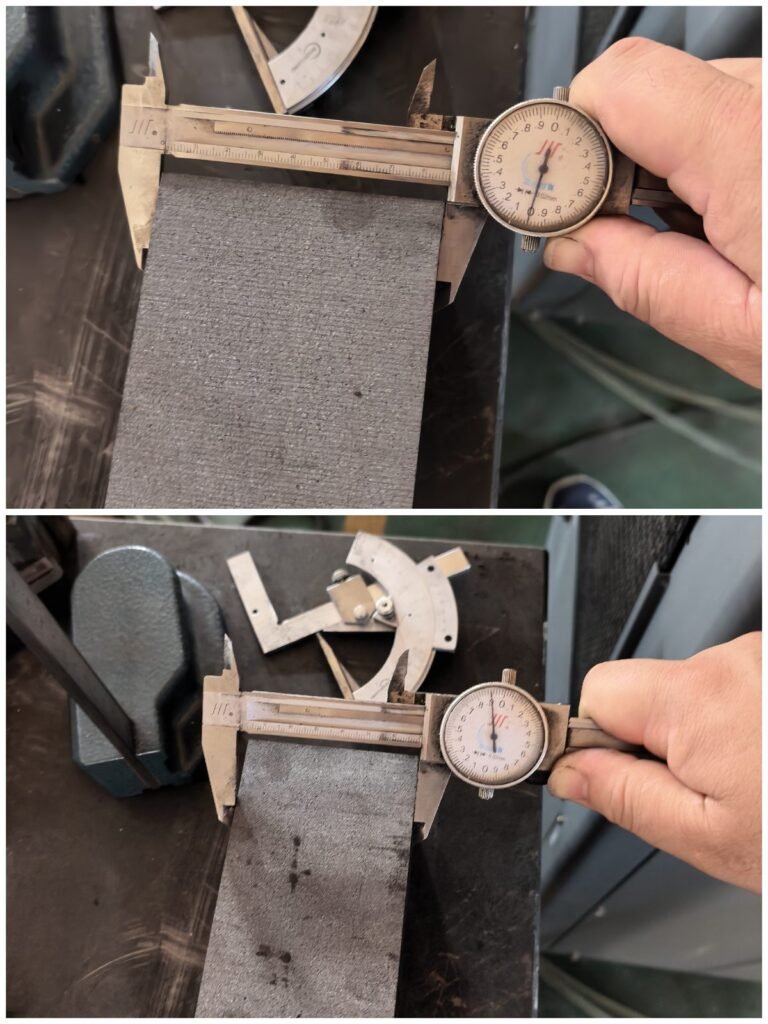
에서 문서화된 SVI250-80 시험, 공칭 500 × 87 × 70mm 등급 2554 바 하나가 보정 오프 상태로 절단되었습니다. 두께는 69.90~70.10mm 범위였으며, 폭은 87.00~87.30mm로 증가했습니다.
실행에는 0.8mm 와이어가 사용되었지만, 기록은 모든 절단 폭이 정확히 0.8mm였음을 확립하지 않습니다. 또한 완전한 입고 블록 재료 수지 또는 수용된 완성품 회수율을 보고하지 않습니다.
유용한 단점은 측정된 폭 테이퍼입니다. 나중에 발생하는 모든 수정은 실제로 마감에 제공되는 재료의 양을 결정할 때 고려해야 합니다. 헤드라인 와이어 직경은 전체 결과를 나타낼 수 없습니다.
샘플의 공칭 치수만으로 흑연 블록 절단 수율 백분율을 도출하지 마십시오. 필요한 입력 재고 부피, 모든 절단 손실 및 수용 경계는 해당 목적을 위해 완전히 지정되지 않았습니다.
거부를 숨기지 않고 회수율 측정
Use an order-level ledger that follows material through initial division. Identify each blank and remnant, its dimensions or mass, acceptance status and disposition. Retain the reason for rejection rather than putting every loss into a single scrap category.
Include the method used to measure the material balance. NIST’s uncertainty guidance explains why measurement quality affects decisions. Apply that narrowly: know whether apparent recovery differences exceed the limitations of your dimensional or weighing method.
Compare like orders or clearly identify the differences. A change in blank size, material grade or remnant policy can improve the reported recovery without changing the cutting performance.
그만큼 material utilization guide addresses the wider accounting framework. Keep the initial block stage identifiable so its losses are not confused with later profiling or finishing.
Turn the Ledger into a Corrective Action
If kerf dominates, investigate measured cut width and cut count under comparable conditions. If trim dominates, review incoming stock and datum preparation. If rejected blanks dominate, inspect the defect and acceptance requirements before redesigning the layout.
When allowance dominates final loss, review why it is needed. A smaller allowance is useful only if the cutting and locating route can consistently preserve the final geometry. Do not simply remove stock from the drawing to improve the spreadsheet.
Track the next operation’s feedback. A blank accepted at initial division may still consume unexpected stock during finishing. Keep that information separate but linked, so graphite block cutting yield improvements do not create a downstream loss.
Known Limitations / Trade-offs
A denser layout can reduce geometric waste while complicating support and handling. A usable remnant can also require identification and storage that outweigh its practical value for a particular operation.
The arithmetic example is deliberately simplified. Real layouts need cut orientation, edge trim, fixture requirements and measured geometry. It provides no demonstrated production yield or machine performance figure.
Material recovery alone does not establish delivered-part cost. Include setup, inspection, finishing and accepted production where those affect the buying decision. A lower scrap volume can coexist with a more expensive route.
Build a Reusable Material Ledger
Assign each incoming block a traceable job reference and keep the planned division drawing with its actual output. List accepted blanks, retained remnants, planned trim and rejected material as separate records. Where dimensions rather than mass are used, state the geometry assumed in each calculation.
Reconcile the categories before comparing jobs. An unexplained remainder may be a measurement limitation, an omitted trim operation or a classification error. Investigate it instead of silently assigning it to useful recovery.
Carry the receiving operation’s feedback into a linked record. Keep initial blank recovery separate from final-part recovery, but preserve the relationship so an upstream improvement can be evaluated against later correction work.
When reporting graphite block cutting yield, state whether the layout and allowance changed. That gives the reader a reason for the result and makes the calculation useful for future orders with different blank sizes. It also prevents a favorable change in accounting from being mistaken for a demonstrated machine improvement.
Questions for a Yield Review
Is a small wire diameter enough to predict recovery?
No. Measure the relevant kerf and include cut count, trim, allowance, remnants and rejection. Diameter is one process input, not the complete material balance.
Should reusable offcuts be counted as production?
Report them separately unless they meet a defined current-order requirement. State the reuse criteria so a change in accounting does not appear as an equipment improvement.
What information is needed for a layout proposal?
Incoming stock dimensions, required blanks, material grade, orientation constraints, allowances, acceptance limits and expected quantities. Include the existing loss categories so the graphite block cutting yield review targets the actual waste.
Send those details through our block-cutting contact page. A marked layout and the receiving operation’s requirements are more useful than a recovery target alone.